Two calendars matter here, and they are not the same one. Freedive Sulawesi operates from March to December: that is the school's season, and January and February sit outside it. Bira's dry season runs April–November, which is a separate fact about the weather and the state of the sea.
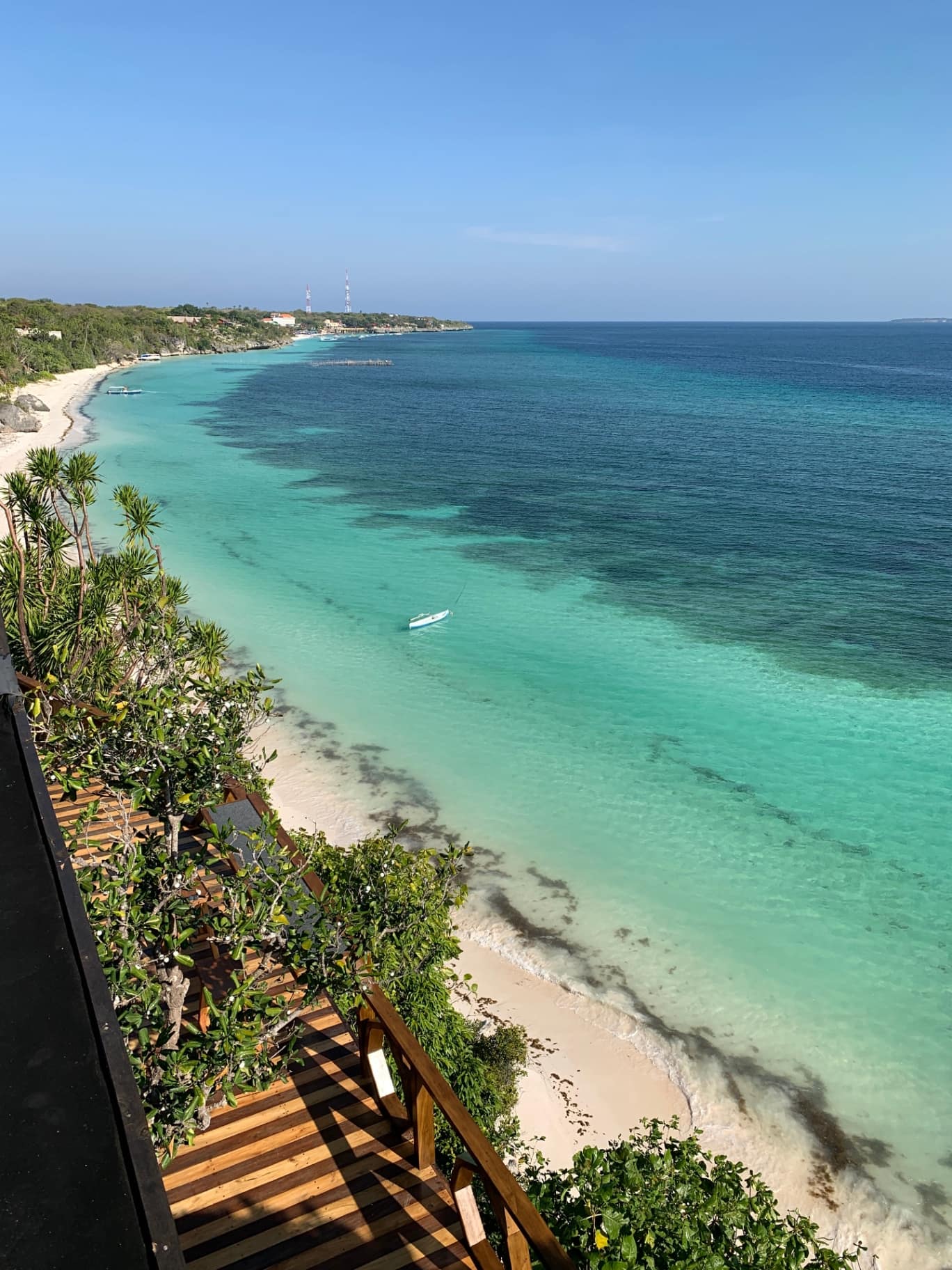
April–November brings the calmest seas of the year, and a flat surface to descend from is worth having on a course. It is a sea-state pattern rather than a visibility one. Visibility does not follow the calendar: Sjenade reports 20 to 40 metres at the sites she uses, and says it tracks the wind — less on west winds, more on east.
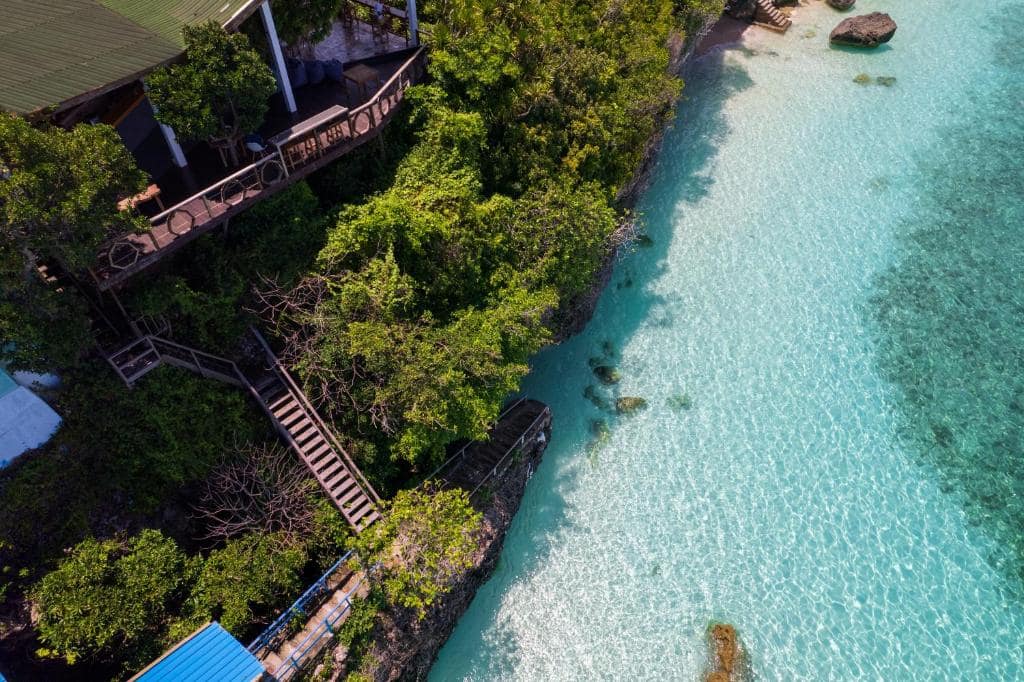
Water temperature is not the variable it is in a lot of destinations. It sits at approximately 28 to 29 degrees Celsius at Bara Beach all year, so the wetsuit question is about how long a session lasts and how still a freediver stays, not about the month on the calendar.
Wind and tide, not the season, decide what a given morning looks like, and whether a session runs is the instructor's decision. On a trip built around a three or four-day course, a spare day or two in the plan is worth more than picking the theoretically perfect week.
Month-by-month detail — how conditions shift through the year, and what to expect at the edges of the season — is on the best time to freedive in Bira page. For how Bira compares with the places most freedivers in Indonesia already know, Amed in Bali, the Gili Islands, Nusa Penida and Raja Ampat among them, there is a freediving in Indonesia comparison.