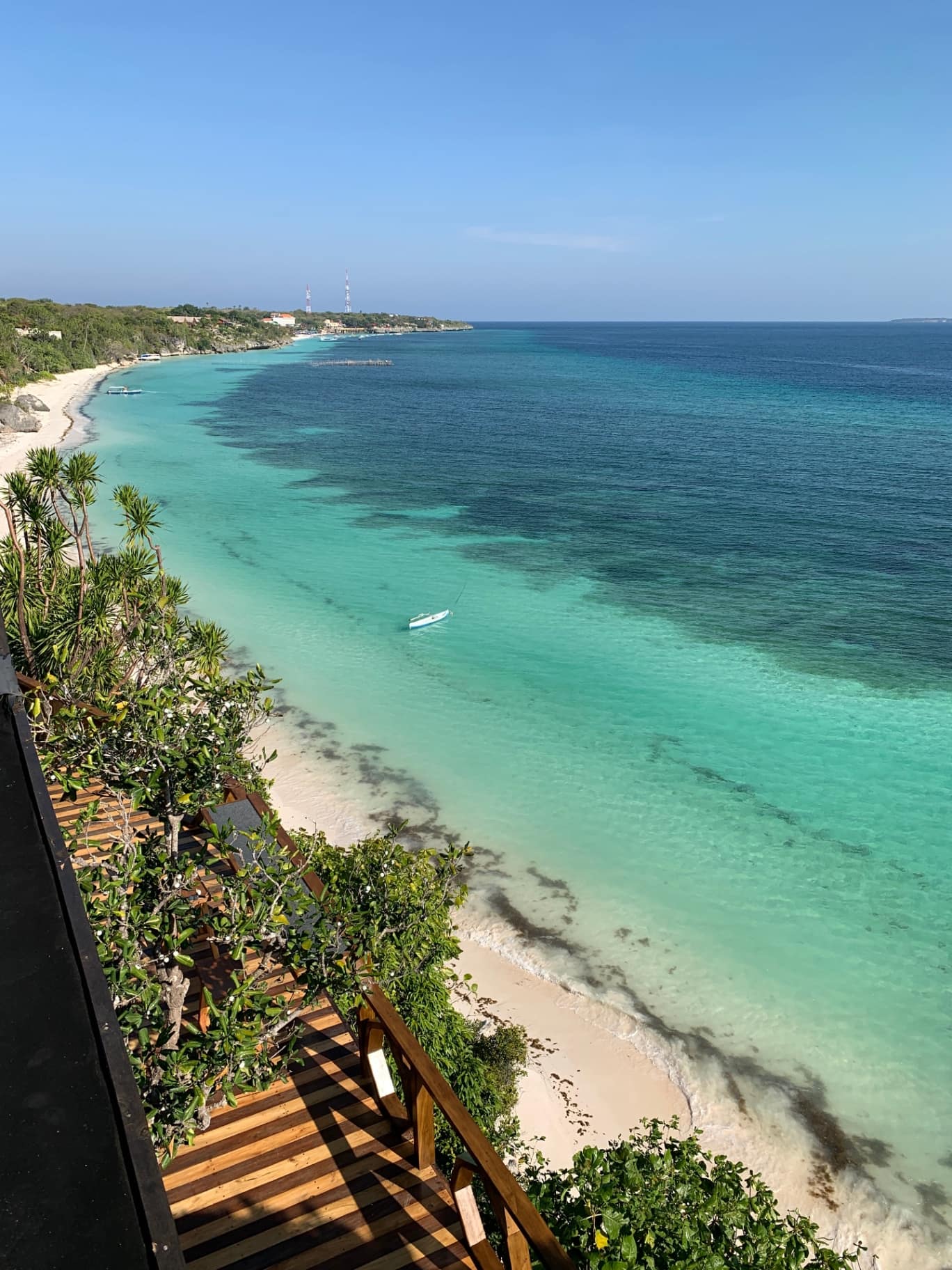
Clear water over the fringing reef at Bara Beach, Tanjung Bira, South Sulawesi

The Wider Map

Freediving in Indonesia

Four names come up again and again: Amed, the Gili Islands, Nusa Penida, Raja Ampat. Here is what published guides actually say about them — and where a quiet cape in South Sulawesi fits.

Written from Bara Beach, Tanjung Bira

How Indonesian freediving is distributed

6

Guides checked

4

Names that recur

0

Name Tanjung Bira

5 Sep

Checked 2026

Freediving in Indonesia is concentrated in a handful of places, and the concentration is visible in what gets published about it.

Six freediving and dive guides were read for this page on 5 September 2026. Between them the recurring names are Amed on the east coast of Bali, the Gili Islands off Lombok, Nusa Penida and Raja Ampat. Tanjung Bira, in South Sulawesi, is in none of them.

That last sentence is the whole reason this page exists, and it is worth being precise about what it does and does not mean. It is a fact about publishing. It is not evidence that the water here is better, and it is not evidence that it is worse. Somebody who wants a destination that has already been written about at length should go where the writing is.

What follows is a description of the four better-known destinations that leans on named sources rather than on impressions, because nobody at Seascapes Bira operates in any of them. Where a source could not be found, the claim was cut instead of guessed — including several that would have made this page read more confidently.

Bali, East Coast

Amed

Wikipedia's entry for Amed describes it as "a village on the east coast (north-east side) in Abang District, Karangasem Regency, Bali, Indonesia", and adds an important qualification: "in the wake of heavy tourism development, actors in the tourism industry use the village's name to designate a 14-km stretch of coast" running from Amed itself through Jemeluk, Bunutan, Lipah, Lehan, Selang, Banyuning, Aas and Kusambi. So "Amed" on a school's website may mean a village or may mean fourteen kilometres of coastline, and the two are worth separating when comparing a place to stay with a place to dive.

The same entry records that Amed "has become known as a diving area (free diving, scuba diving) with such sites as the famous USAT Liberty Wreck, submerged in front of Tulamben just 12 km north-west from the village of Amed". Wikipedia's article on the ship itself puts the wreck "about 40 metres (130 ft) from the beach in Tulamben".

Amed appears first in three of the six guides checked here. Dijiwa Sanctuaries' ten best Bali freediving locations opens with "Amed (Jemeluk Bay)" and follows it with "Tulamben (USAT Liberty Wreck)". The Broke Backpacker's Bali freediving guide leads on Amed, describing it as "a diving, snorkelling and freediving hub with a bustling community of divers and ocean enthusiasts". The Salt Sirens' guide puts it the same way, calling Amed and Tulamben "the most popular part of Bali for freedivers" and noting the handful of schools stretched along them.

Read those three together and the picture is consistent: a handful of schools stretched along one coast. That is a genuine advantage if choice of instructor matters to you, and it is a genuine cost if solitude does.

Off Lombok

The Gili Islands

Three islands — Gili Trawangan, Gili Meno and Gili Air — in North Lombok Regency, West Nusa Tenggara, according to Wikipedia's article on them. Two structural facts from that article shape what a trip there feels like. The first: "the islands can only be reached by sea, and are frequented by a variety of fast boats operating various routes from Bali and Lombok." The second: "automobiles and motorized traffic are prohibited on the islands by local ordinance."

The first of those means arriving and leaving depend on those boats rather than on your own timing, which is worth knowing when a course has fixed session times.

The same article reports the scale of the place bluntly: "since 2009, the number of tourists visiting Gili Trawangan has doubled each year, from 35,000 to over one million in 2015." That figure is a decade old at the time of writing and describes one island of the three, but it is the clearest published indication of what kind of destination the Gilis are.

In the guides, the Gilis show up as a set and as individuals. FreediveMap's Indonesia directory lists "Gili Air, Indonesia", "Gili Meno, Indonesia" and "Gili Trawangan, Indonesia" as separate entries alongside "Gili Islands". The Salt Sirens sends readers there for "warm water, coral reefs, and sea turtles galore", noting that they are technically in Lombok rather than Bali — a distinction the guide bothers to make.

South-east of Bali

Nusa Penida

Wikipedia describes Nusa Penida as "an island located near the southeastern Indonesian island of Bali, which forms a district of the same name in Klungkung Regency", and records that it "can be reached from four dock locations". Its named dive sites include "Penida Bay, Batu Lumbung (Manta Point), Batu Meling, Batu Abah, Toya Pakeh, and Malibu Point".

Manta Point is the site whose name does the marketing, and it appears in the freediving lists under exactly that label — Dijiwa Sanctuaries' guide names its third entry "Nusa Penida (Manta Point)". The Broke Backpacker gives Nusa Penida its own section, and The Salt Sirens calls it one of Bali's most underrated destinations, noting that "most divers come for the manta rays and mola mola".

What this page deliberately does not do is tell you when to go for either animal. Seasonality for mantas and mola mola at Nusa Penida is easy to get subtly wrong, and there is nobody here with first-hand knowledge of that water. Anyone planning a trip around a sighting should get that timing from an operator who works the site, not from a hotel in another province.

Nusa Penida also hosts a freediving school that publishes its own survey of the country's freediving destinations. That survey is set out in full further down.

Southwest Papua

Raja Ampat

Wikipedia places Raja Ampat as "an archipelago located off the northwest tip of Bird's Head Peninsula (on the island of New Guinea), Southwest Papua province, Indonesia", and notes that "since 2024, the archipelago is part of the province of Southwest Papua (formerly West Papua (province))" — worth knowing when older articles say West Papua.

The biodiversity numbers are why it is named by both of the Indonesia-wide guides checked for this page. The same article states that "the region contains more than 600 species of hard corals, constituting about 75% of the world's known species, and more than 1,700 species of reef fish", and calls Raja Ampat "the global epicentre of tropical marine biodiversity".

Nothing on this page competes with that, and nothing on this page will pretend to. There is no published species count for the reef at Bara Beach, and inventing one to make a comparison land would be worse than losing the comparison.

It is also far away. A Raja Ampat itinerary and a South Sulawesi itinerary are not usually alternatives to each other within one holiday — they are separate journeys in different directions.

The Gap

South Sulawesi, and why it is missing from the lists

Here is the finding in full, so it can be checked rather than taken on trust.

A Nusa Penida freediving school publishes a survey of the country's freediving destinations at freedivenusa.com. It names ten: Nusa Penida, Komodo, Raja Ampat, Alor, Sumbawa, Maratua, Morotai, Wakatobi, Bunaken and Biak. The Indonesia page of the dive-travel guide DiveJourney names nine regions: Tulamben and Amed, Nusa Penida, Raja Ampat, Komodo, Bunaken and Manado, Derawan, the Gili Islands, the Togean Islands, and Padangbai and Candidasa. FreediveMap's Indonesia directory files everything under Bali, Lombok and Aceh, with Amed, the three Gilis and Pulau Weh as its locations. Three further guides — Dijiwa Sanctuaries, The Broke Backpacker and The Salt Sirens — are scoped to Bali and its neighbouring islands.

Tanjung Bira appears in none of the six.

The honest reading of that has three parts. First, the three Bali-scoped guides prove very little about Sulawesi: a Bali list omitting a Sulawesi cape is doing its job. Second, Sulawesi as a whole is not being ignored — Bunaken in the north, Wakatobi in the south-east and the Togean Islands in the centre are each named in the wider guides. It is specifically this corner of the island that does not turn up. Third, the guides that range beyond Bali range a long way: the freedivenusa.com survey reaches Morotai, "tucked away in North Maluku", and Biak, "in West Papua". Remoteness alone is therefore not what keeps this corner of Sulawesi off them. What does is not something this page can answer.

Being absent from a list is not a quality signal in either direction. What it does affect is how much you will be able to research before you arrive: coming to South Sulawesi means going in with less information than you would have for Amed.
Why the scale gap is real: Wikipedia's article on Bali records 6,948,754 international tourists in 2025 and calls the province "Indonesia's main tourist destination", which "has become the country's area of overtourism". Tanjung Bira has no airport and is 5 to 6 hours by private car from Makassar. Those two sentences are the comparison; everything else about crowds on this page follows from them.

The Other Option

What Bira offers a freediver

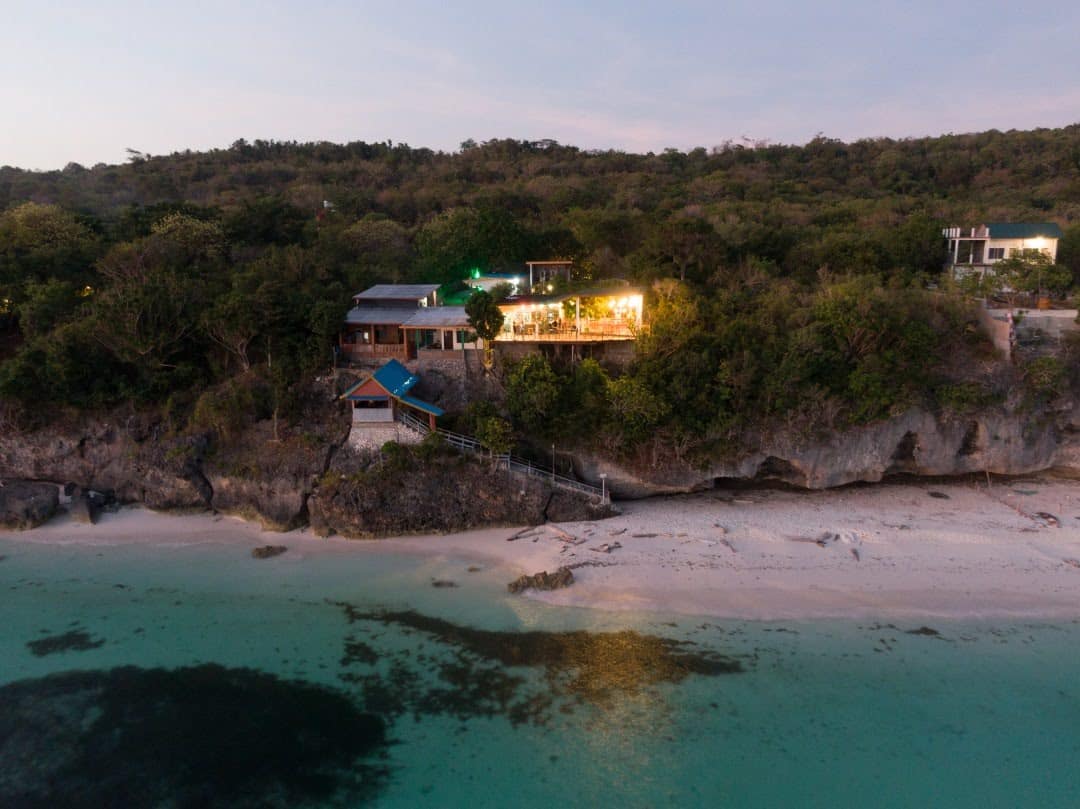
Freedive Sulawesi, an independent school led by instructor Sjenade Williams, teaches the courses here and is based at Tevana House Reef. Guests stay and eat at Seascapes Bira on Bara Beach and walk over for their sessions; Seascapes Bira does not run the courses or take course bookings. Bara Beach itself is a sheltered west-facing cove with a shallow fringing reef within swimming distance of the sand — the hotel's own water, and it is for swimming and snorkelling.

Level 1 runs three days with two ocean sessions and trains to 15 metres. Level 2 runs four days with three ocean sessions and trains to between 24 and 30 metres. Freedive Sulawesi also runs an eight-day programme called Freediving for the Reef, which pairs freediving with coral restoration, and half-day recreational freedives that are open to any level and run with a minimum of two people. Add-on specialities in turtle ecology, marine biology, and breathwork and yoga are offered by the school as well.

Two calendars sit behind a trip here, and they are not the same one. Freedive Sulawesi operates from March to December, which is the school's season; separately, April to November is Bira's dry season and brings the calmest seas of the year. Water at Bara Beach sits at approximately 28 to 29 degrees Celsius year round. The best time to freedive in Bira page covers what changes between seasons, and the beginner's guide to a first course covers what a first course actually involves.

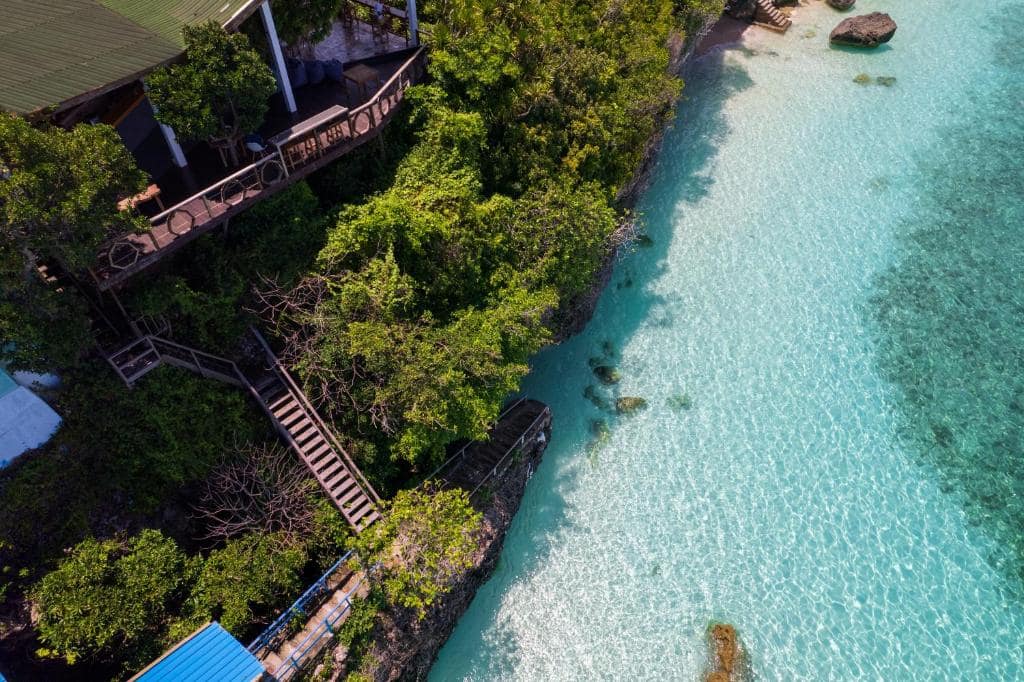
What is here is a small arrangement, not a scene. Three rooms, and an independent school that guests walk over to. That is the trade against fourteen kilometres of coast with a handful of schools along it.

The sheltered bay and fringing reef at Bara Beach seen from the cliff at Seascapes Bira

Deciding

Choosing between them

Three questions do most of the work, and none of them is about which reef is prettiest; a fourth panel explains why this page carries no prices.

Question One

How long is the trip?

Travel days are the hard constraint. Tanjung Bira is 5 to 6 hours by private car from Makassar with no airport, train or ferry running direct, so a day goes at each end regardless of what else is planned. A three-day Level 1 therefore sits inside a trip of five or six nights rather than three.

The Gili Islands, per Wikipedia, "can only be reached by sea" on fast boats from Bali and Lombok, which is its own scheduling constraint. Amed sits on Bali's east coast in Karangasem Regency. Short trips favour the places with the shortest transfer; longer trips absorb a drive.

Question Two

How much company do you want?

This is the axis where the destinations genuinely differ, and it cuts both ways. A handful of schools within reach of each other means choice of instructor and other students to buddy with.

A quiet cape means none of that. Neither is the correct answer; they are different holidays, and people usually know which one they want.

Question Three

How much do you need to know before you commit?

Amed, the Gilis, Nusa Penida and Raja Ampat can be researched in advance of booking — that is what being on the lists means. Tanjung Bira cannot be, and this site is honest about the limits of what it publishes: there is no month-by-month condition table for this bay, because none exists.

Travellers who need a plan they can verify from a laptop are better served by the documented destinations. Travellers who are content to ask a question and get a straight answer will find that easier here.

On Budget

Why there are no prices here

This page publishes no course price for anywhere, including Tanjung Bira. Quoting another destination's prices from a web search would produce numbers this site cannot stand behind, and quoting them for a school this site does not run would be worse.

What can be said about cost is structural: every itinerary carries transfer time, and time is the part of the budget this page can compare honestly. For prices, ask each operator directly — that includes Freedive Sulawesi. Seascapes Bira does not run those courses, take course bookings or set course prices.

If the answer to all three questions points at Bali, go to Bali — the guides quoted above are a good starting point, and this page is not trying to talk anybody out of a destination they recommend. If the answers point at somewhere quieter, the freediving in Tanjung Bira page sets out the arrangement here in full, and the Tanjung Bira guide covers everything on the cape that is not underwater.

How This Page Was Checked

Sources

Nobody at Seascapes Bira operates in Amed, the Gili Islands, Nusa Penida or Raja Ampat. Every characterisation of those four on this page therefore comes from a named published source, read on 5 September 2026 and quoted above rather than paraphrased from memory.

Wikipedia articles on Amed (Bali), the Gili Islands, Nusa Penida, the Raja Ampat Islands, USAT Liberty and Bali — for administrative geography, access, species counts and visitor figures.

Destination round-ups: the Indonesian freediving survey published by a Nusa Penida freediving school at freedivenusa.com; the Indonesia page of DiveJourney; the Indonesia directory at FreediveMap; and the Bali-scoped guides published by Dijiwa Sanctuaries, The Broke Backpacker and The Salt Sirens.

Details of the courses and sessions on this page are as published by Freedive Sulawesi, and the operating season comes from instructor Sjenade Williams directly. Seasonal and journey figures for Tanjung Bira are the same ones used across seascapes.id, on the location page and the diving page.

Cut for lack of a source: manta and mola mola seasonality at Nusa Penida; crowding by month at any of the four; whether Raja Ampat requires an entry permit; how each destination is reached by air; and a same-month comparison of foreign visitor arrivals for Bali and South Sulawesi, which the national statistics agency publishes but which could not be retrieved and verified while writing this page.

Common Questions

Indonesian freediving, frequently asked

Which freediving destinations in Indonesia come up first?

Amed on the east coast of Bali, the Gili Islands off Lombok, Nusa Penida and Raja Ampat are the four names that recur across published Indonesian freediving guides. FreediveMap's Indonesia directory files its listings under Bali, Lombok and Aceh, naming Amed and the three Gili islands individually. The Indonesia page of the dive-travel guide DiveJourney names Tulamben and Amed, Nusa Penida, Raja Ampat, Komodo, Bunaken and Manado, Derawan, the Gili Islands, the Togean Islands, and Padangbai and Candidasa. Those guides were checked on 5 September 2026.

Does Tanjung Bira appear on the main Indonesian freediving lists?

Tanjung Bira in South Sulawesi appears in none of the six published freediving and dive guides checked for this page on 5 September 2026, while Amed, the Gili Islands, Nusa Penida and Raja Ampat appear across them. Sulawesi itself is not missing from those guides — Bunaken in North Sulawesi, Wakatobi in the south-east and the Togean Islands in the centre are each named — but the corner of the island where Tanjung Bira sits is not. That is a fact about what has been published rather than a verdict on the water.

What is freediving in Tanjung Bira like compared with Amed or the Gili Islands?

Courses are taught by Freedive Sulawesi, which is based at Tevana House Reef; guests stay and eat at Seascapes Bira on Bara Beach and walk over for their sessions. Level 1 runs three days with two ocean sessions and trains to 15 metres; Level 2 runs four days with three ocean sessions and trains to between 24 and 30 metres. This page makes no claim that the water or the teaching is better than Amed or the Gili Islands, because nothing published here would support one. What it claims is narrower and checkable: Tanjung Bira is quieter, and far less written about.

How does getting to Tanjung Bira compare with getting to Bali's freediving spots?

Tanjung Bira is 5 to 6 hours by private car from Makassar, and there is no airport, train or ferry running direct. Wikipedia places Amed in Abang District, Karangasem Regency, on the east coast of Bali; its article on the Gili Islands states that they can only be reached by sea and are frequented by fast boats operating various routes from Bali and Lombok; and its Nusa Penida article records that the island can be reached from four dock locations. The practical difference is a travel day at each end of a South Sulawesi trip, which is worth planning for rather than discovering.

What does Raja Ampat offer that Tanjung Bira does not?

Raja Ampat is described by Wikipedia as the global epicentre of tropical marine biodiversity, with the region containing more than 600 species of hard corals — about 75 per cent of the world's known species — and more than 1,700 species of reef fish. No equivalent figure has been published for the reef at Bara Beach, and this page will not invent one. The two are also far apart: Wikipedia locates Raja Ampat off the north-west tip of the Bird's Head Peninsula in Southwest Papua province, while Tanjung Bira is in South Sulawesi, at the end of a 5 to 6 hour drive from Makassar.

Why is Tanjung Bira quieter than the Bali and Lombok freediving destinations?

Tanjung Bira is quieter than the Bali and Lombok freediving destinations because of the difference in scale between them, and that difference is documented on both sides. Wikipedia's article on Bali records 6,948,754 international tourists in 2025 and describes the province as Indonesia's main tourist destination and the country's area of overtourism, while its Gili Islands article reports visitor numbers to Gili Trawangan rising from 35,000 in 2009 to over one million in 2015. Tanjung Bira has no airport and is 5 to 6 hours by private car from Makassar, and Seascapes Bira itself has three rooms. Quieter is a claim this page is willing to make; better is not.

Descriptions of Amed, the Gili Islands, Nusa Penida and Raja Ampat on this page are drawn from the published sources named above and were checked on 5 September 2026; they may have changed since. Course structure and depths for sessions booked by guests at Seascapes Bira are as published by Freedive Sulawesi; Seascapes Bira does not run those courses or take course bookings.

Seascapes Bira in evening light above Bara Beach, Tanjung Bira

Not On The Lists

Come And See Why

Ask us what the reef is doing this week and we will tell you straight, including when the answer is that another destination suits your trip better.