Apparalang is the single best half-day out of Bira, and the one thing people who have been will insist you do. Thirty to forty minutes north by road, near the village of Ara on the eastern coast, a wall of white limestone drops straight into water of an almost implausible blue. Wooden walkways and staircases have been built out along and down the cliff face to platforms just above the sea, so you can stand at the waterline with fifteen metres of rock above you.
The water below is deep, clear and calm on a normal day, and jumping from the lower platforms is what most visitors come to do. It is unsupervised. Watch where other people are entering before you commit, check the swell, and never jump from anywhere you have not already climbed down from — the ladders back up are limited and the current picks up when the wind is in the east.
Expect a small entrance fee, in the region of IDR 10,000 to 25,000 per person, plus parking; the rate is set locally and does change. There are warungs at the top for coffee and instant noodles, and shade is scarce below. Go early morning or from four o'clock for the golden hour — the middle of the day is hot, crowded at weekends, and the glare flattens everything.
The road out is paved but has some tight, blind bends; if you are not an experienced motorbike rider, take a driver. We can arrange a car and driver for the half day — message us on WhatsApp and we will quote you before you arrive.
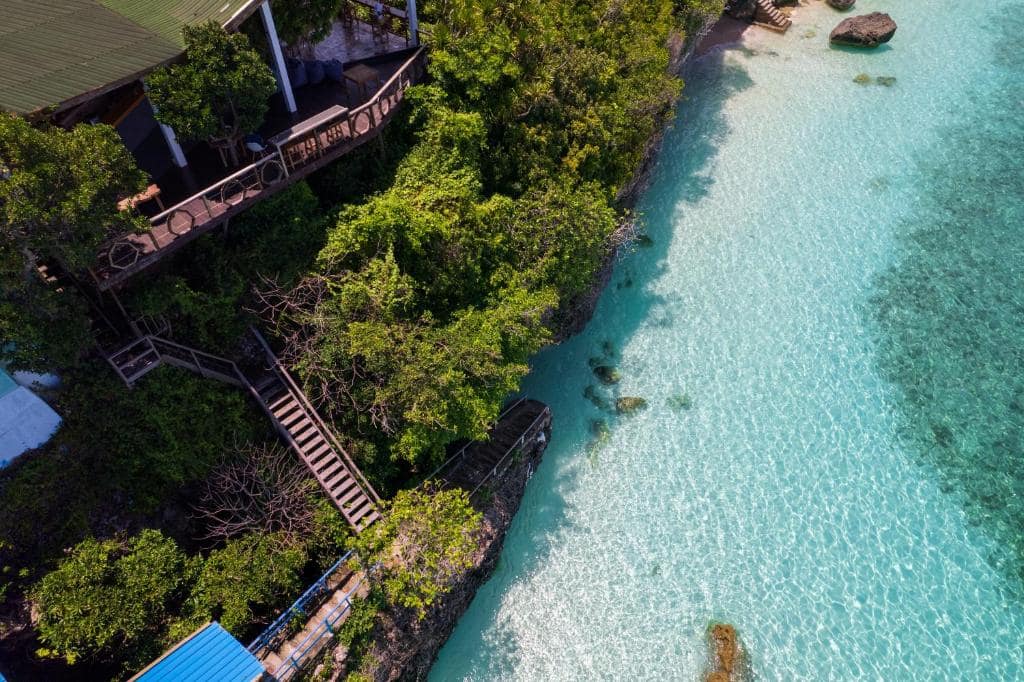
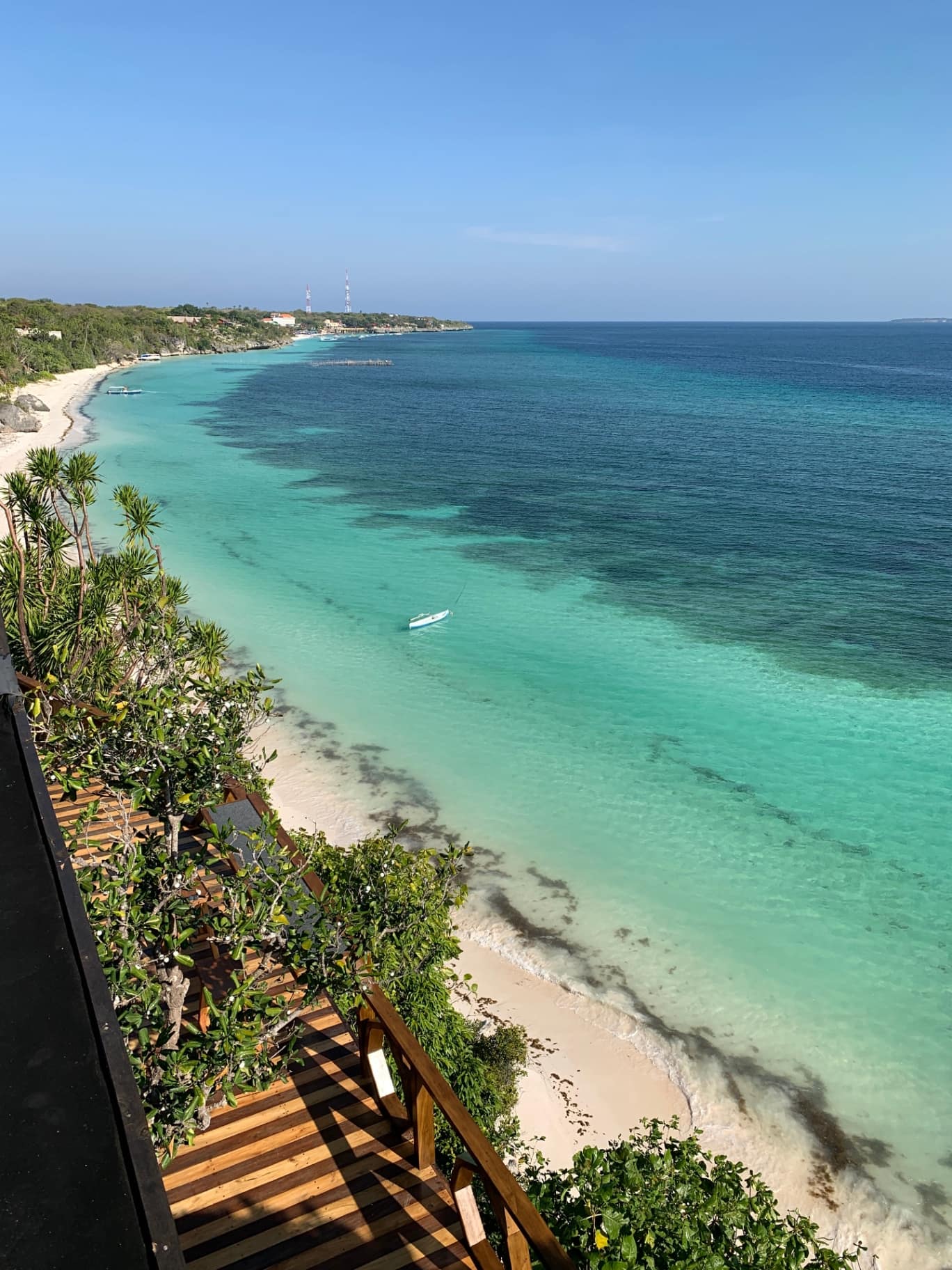
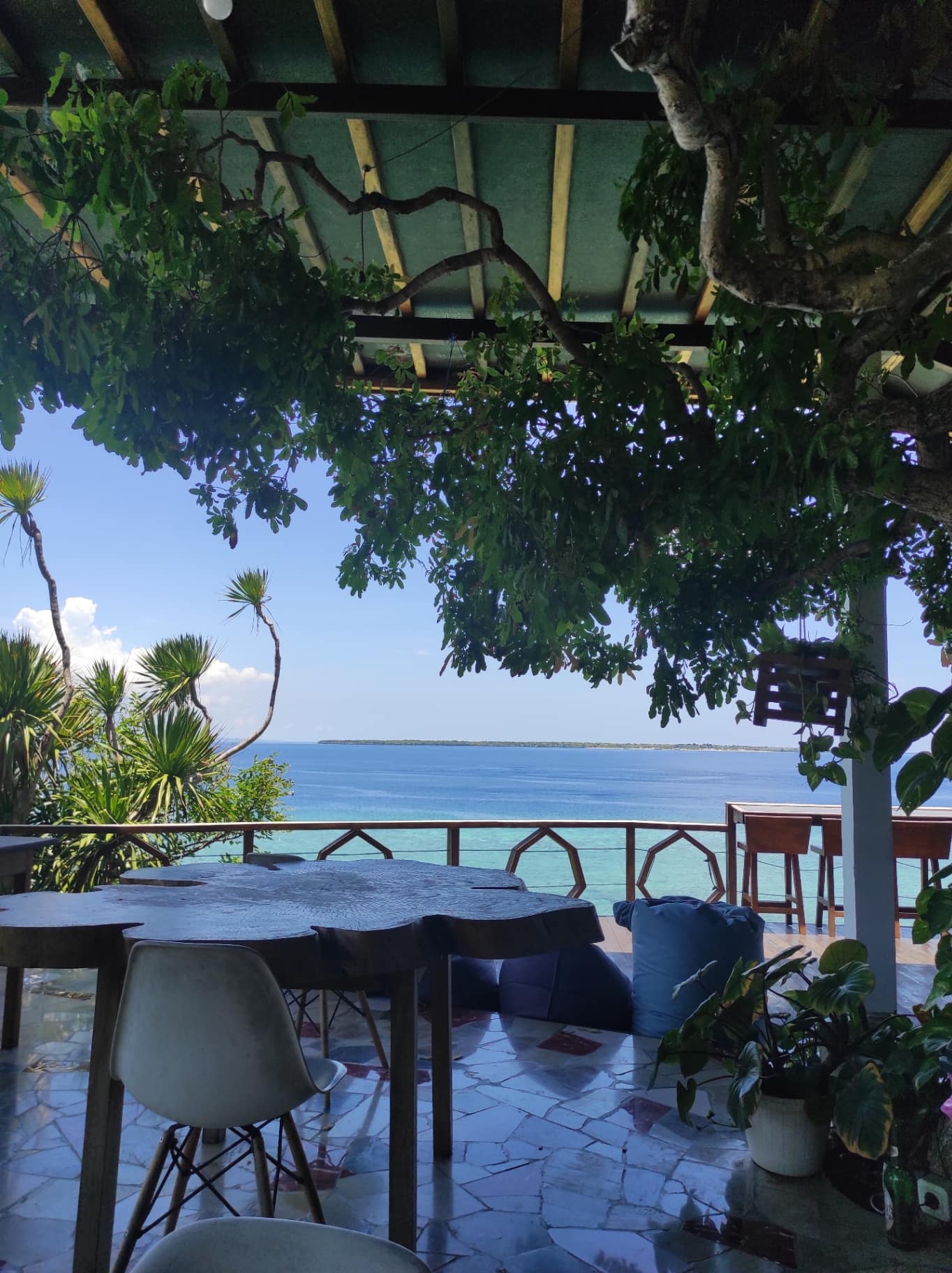
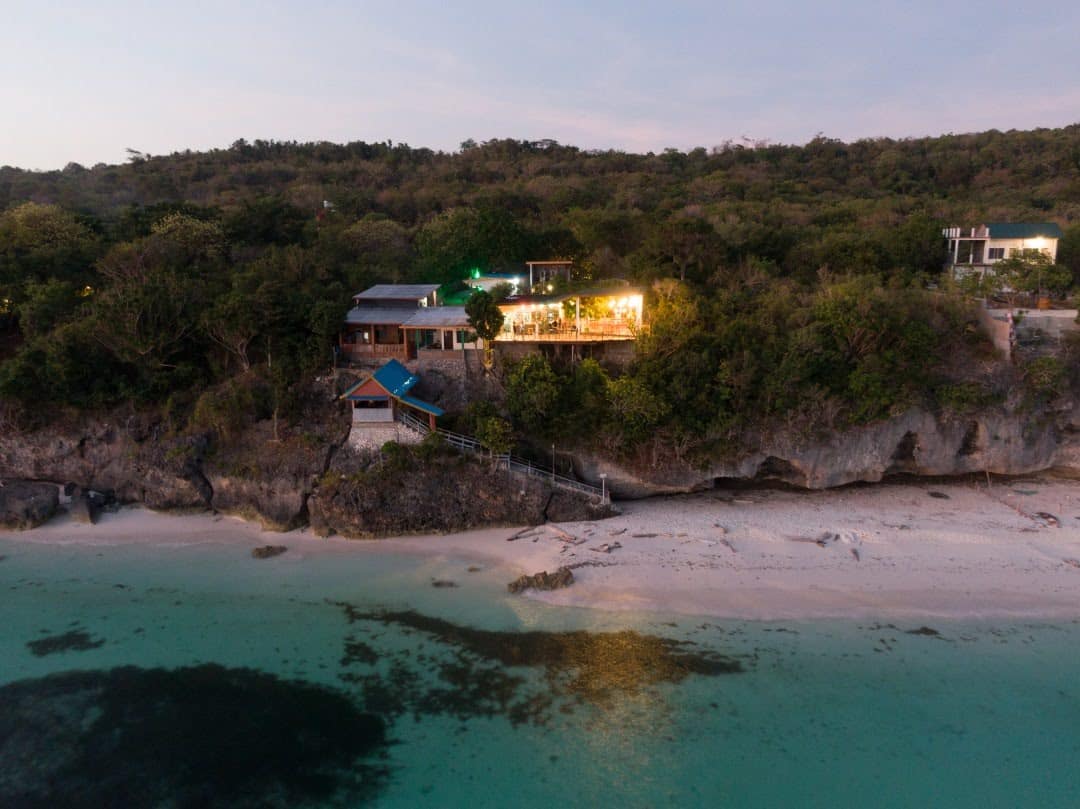
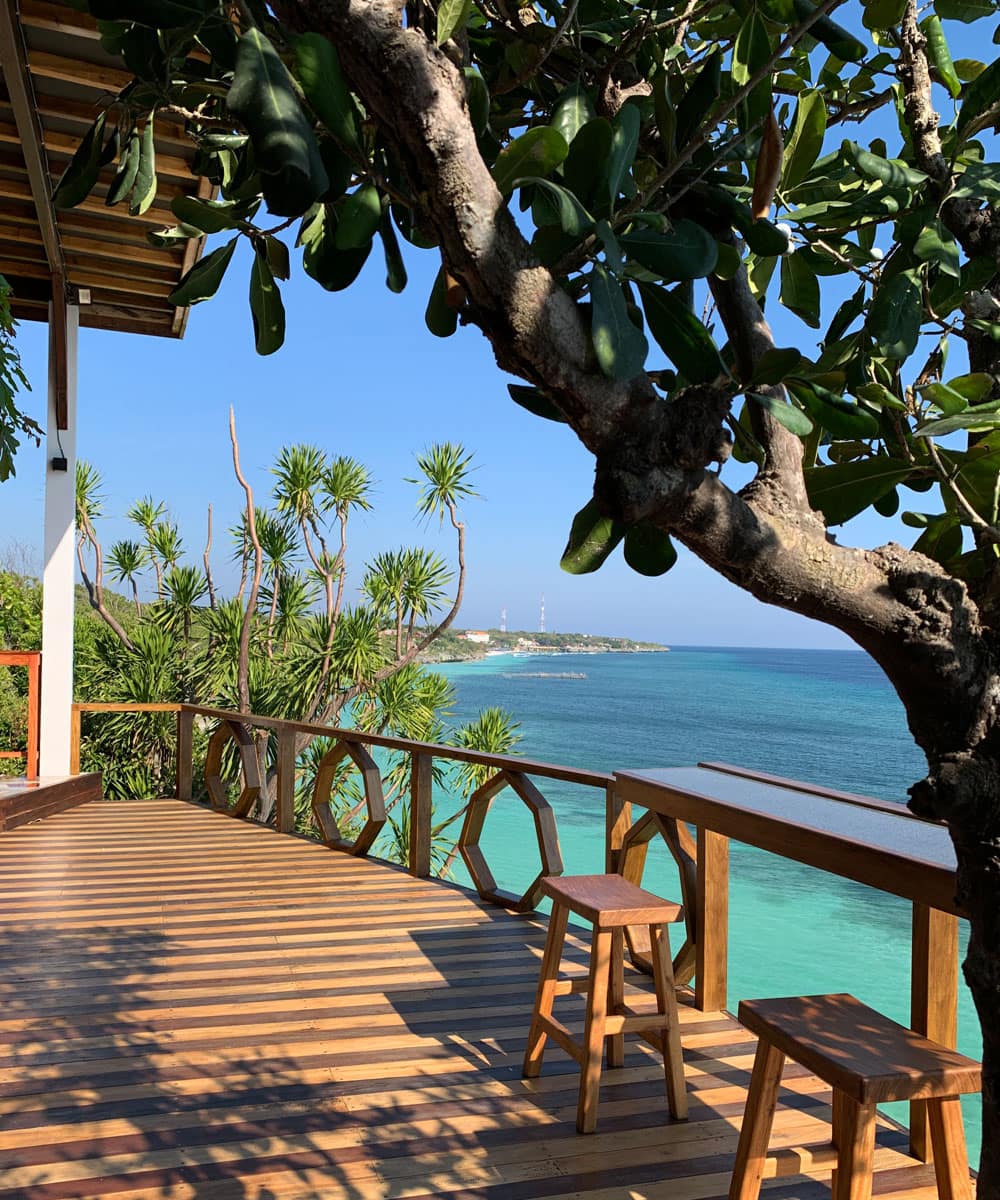
You do not have to drive to Ara to stand on a cliff. About five kilometres from the Tanjung Bira gate, on the eastern side, Dego Dego na Bira occupies one of the most striking positions on the cape — a clifftop rather than a beach, with the sea shallow and legible below, so from a table at the edge you can read the reef through the water like a map. It is a small resort, but the café is open to visitors and the route is well signposted, which makes it a good sunrise coffee or afternoon detour. Order something; it is somebody's living room.
The whole eastern rim rewards a slow ride, with empty pull-ins every few hundred metres. None of these clifftops are fenced, lit or watched, so keep children close and stay well back from undercut edges — the limestone here is hollowed out from below by the sea, and what looks like solid ground sometimes is not.