Calm turquoise water over the fringing reef at Bara Beach, Tanjung Bira, during the dry season

When to Come

Best Time to Freedive in Bira

The school runs March to December. The calmest seas are April to November. The water is 28 to 29 degrees every month of the year, and on the instructor's account visibility follows the wind rather than the calendar.

Bara Beach, Tanjung Bira, South Sulawesi

The short answer

Mar–Dec

Freedive Sulawesi's season

Apr–Nov

Dry season, calmest seas

28–29°C

Water, year round

Jun–Aug

Busiest window

Three things vary across a year in Bira, and only one of them is really seasonal. Freedive Sulawesi operates from March to December. April to November is Bira's dry season and brings the calmest seas. Visibility does not follow the calendar at all.

The school's season comes first, because it is the one thing that can rule a month out. January and February sit outside it, so those two months are a question for Freedive Sulawesi rather than an assumption to make from a weather chart.

Sea state is the part the dry season genuinely governs. A flat surface is what makes a descent comfortable and a recovery unhurried, and April to November is when the sea here is flattest. It is a sea-state pattern and nothing more, which still makes it the window worth aiming at for a course booked from a long way away.

Visibility is the part a weather chart cannot answer. Sjenade Williams reports 20 to 40 metres at the sites she uses and says it tracks the wind rather than the month — less on west winds, more on east. There is no clear season and murky season here to plan around.

Temperature is not a variable either. Water at Bara Beach sits at approximately 28 to 29 degrees Celsius all year, so there is no cold month to work around.

What follows is the shape of the year rather than a month-by-month table of figures, because nobody publishes condition figures at month level for these sites, and a plausible-sounding number would be a guess.
Through the Year

How the year is shaped

One school calendar and one weather calendar, laid over each other. Bira's dry season also runs to November, not October — the generic Indonesian figure does not describe this coast.

The school calendar

March to December — the school's season

Freedive Sulawesi operates from March to December. Ten months, longer than the dry season and shorter than the year, and it is a statement about when the school runs rather than about the weather.

This is the first filter on a set of dates. January and February fall outside it, so a trip planned for either is a conversation with the school before it is a question about conditions.

The calm window

April to November — the dry season

Eight months of the calmest seas of the year. For anyone travelling a long way for a fixed set of dates, that flat surface is the thing worth aiming at — and it is a sea-state pattern, not a promise about how far you will see.

Inside it there is a rhythm to the day rather than to the month. Mornings are typically glassy and afternoons pick up a breeze, which is why sessions and boats tend to go early.

June to August is the busiest part of the window. That does not change the water — it changes how far ahead a room and a course need booking.

The wetter end

December to March — the wetter months

Wetter, with more wind and short heavy showers, and more swell along the exposed coast. The water stays warm, and the season changes the odds on a given morning rather than closing anything.

Note where the two calendars disagree: December and March sit inside the school's season, January and February do not. Fewer visitors, too, which some people count as the compensation.

Freediving in these months becomes a day-by-day decision rather than a fixture. That is workable on a trip with slack in it and frustrating on one without.

No month-by-month table on purpose: figures for how visibility and swell move week to week at the sites the school uses are published neither here nor by the school, and inventing them would make this page worse, not more useful. Sjenade Williams runs sessions from March to December and plans around daily weather — which is the accurate answer, and the reason the school is the right place to ask about a specific set of dates.

The Non-Variable

Water temperature, and the wetsuit question

Water at Bara Beach sits at approximately 28 to 29 degrees Celsius year round. There is no seasonal swing worth planning a trip around, and no month in which warmth is the thing that limits a session.

That makes the wetsuit question a different question from the one it is in colder places. It is about how long a session lasts and how still a freediver stays, not about the month on the calendar.

Which equipment Freedive Sulawesi provides and which a student is expected to bring is the school's to answer, and it is worth asking before packing rather than after arriving.

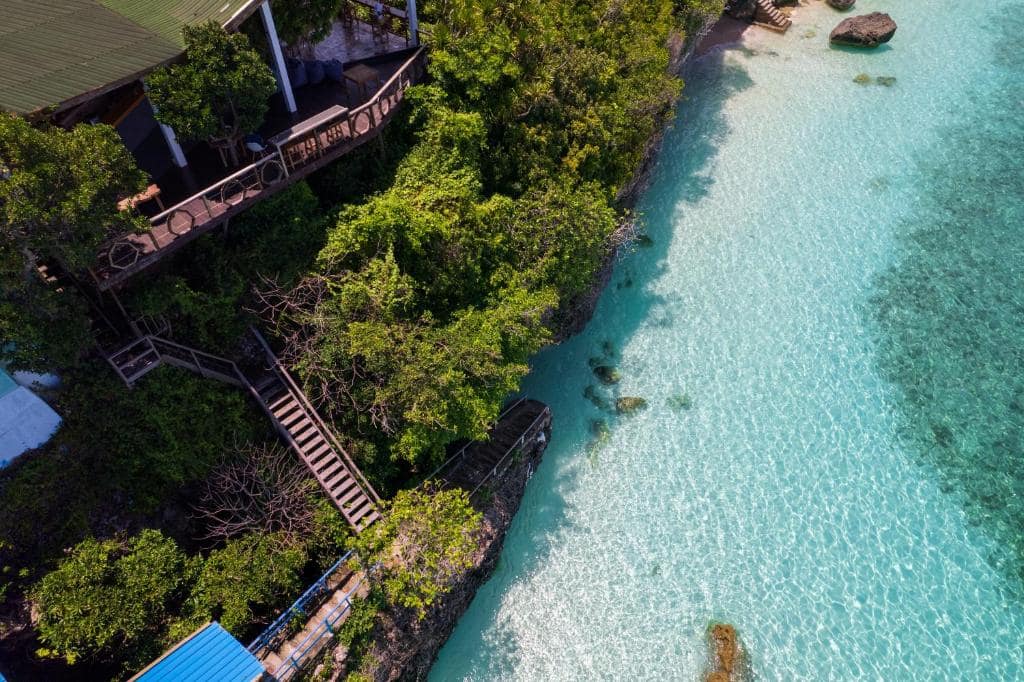
Looking down at the sheltered bay and reef at Bara Beach from the cliff at Seascapes Bira

What You Can See

Visibility, and why it does not follow the season

Sjenade Williams reports 20 to 40 metres at the sites Freedive Sulawesi uses, with the water around Kambing clearer still, and says the variable is wind rather than season: west winds bring less visibility, east winds more. Those are her figures for her own sites, not a description of the water at Bara Beach.

That is a more useful thing to know than a month, because wind is a forecast rather than a fixture: it is worth checking close to the dates rather than reading off the season. On her account there is no clear half of the year and murky half to book around.

For freediving specifically, what matters about clarity is being able to see the line and the buddy on it the whole way down and back. That is why the day's conditions are worth asking about rather than assuming, and why the answer comes from the instructor rather than from a calendar.

What is deliberately not on this page is a month-by-month figure. Nobody publishes one for these sites, and a plausible-sounding number would be a guess. Published figures for the area's scuba sites are a separate matter and are on the diving page.
The Real Variable

Wind, swell and where the shelter is

Season is not the main thing between a freediver and a good morning on this coast. Wind is. It sets the surface, and on Sjenade Williams's account it sets the visibility too — less on west winds, more on east.

Aspect is what turns one wind into two different mornings on the same peninsula. Bara Beach faces west-north-west and is sheltered from the prevailing south-easterly wind for much of the year, and the fringing coral reef just offshore breaks the swell before it reaches the sand. That describes the beach below the property, where guests swim and snorkel; how the same wind lands where a session is run is Sjenade's to read, not something a hotel page can extrapolate.

December to March brings more wind and more swell to this coast, which is why sessions in those months become a day-by-day decision rather than a fixture. It does not close the water; it changes the odds on a given morning, and it makes a spare day in the plan worth more.

Within any day, the pattern is consistent across the year: mornings are typically glassy, afternoons pick up a breeze. On a trip built around a course, that is the more useful piece of timing — earlier is better, in every month.

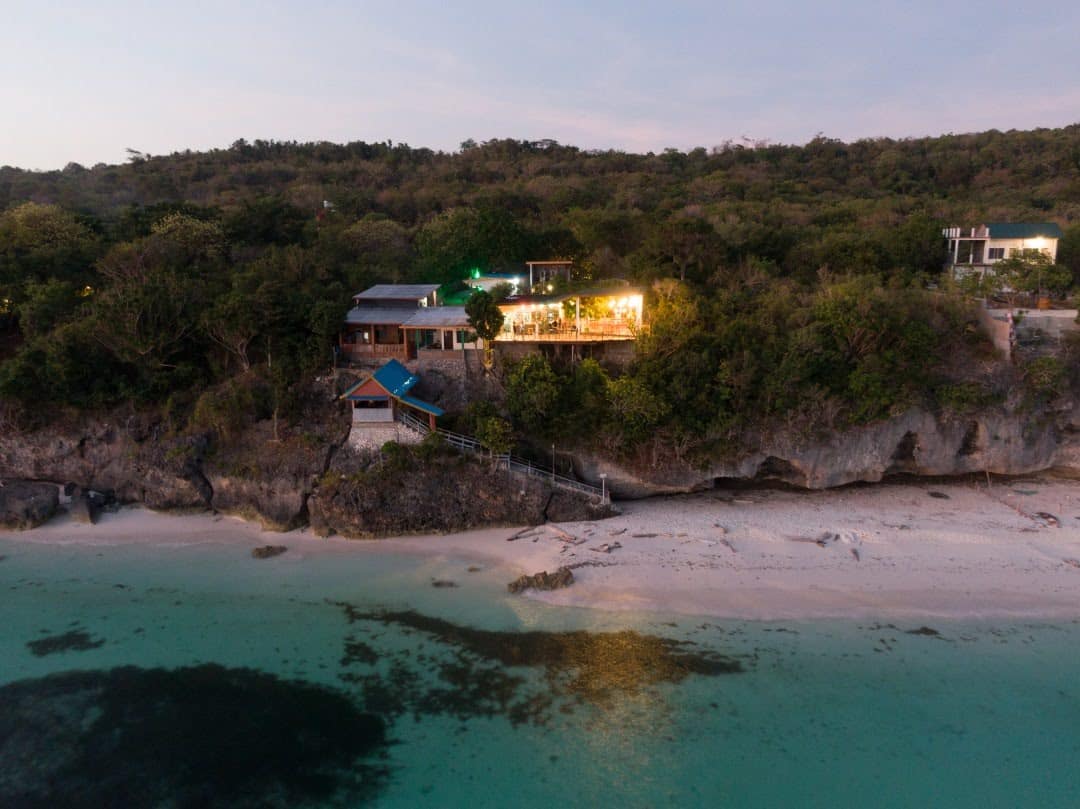
Seascapes Bira in evening light above Bara Beach, Tanjung Bira

Who Else Is Here

Crowds and Indonesian holiday periods

The busiest window is June to August, and July and August in particular are when rooms and transport need booking well ahead. Indonesian public holidays do the same thing in a shorter burst, and the week around Idul Fitri is the one to avoid for anyone who wants quiet beaches.

The weekend effect is separate and smaller. Day visitors drive down from Makassar and fill the main Tanjung Bira beach; Bara Beach, a few minutes north, stays much quieter throughout. For a freediver that is a question about the beach rather than about a session.

None of this changes conditions. It changes availability — and with three rooms at Seascapes Bira, peak dates go early. Rooms are on the stay page, and the wider seasonal picture for the cape is in the Tanjung Bira guide.

Booking Dates

Picking dates, and building in slack

A course has a length, and a trip should be longer than it. Level 1 with Freedive Sulawesi runs three days with two ocean sessions; Level 2 runs four days with three. Tanjung Bira is 5 to 6 hours by private car from Makassar with no airport, train or ferry running direct, so a day goes at each end of the trip regardless of the season.

How much slack that argues for depends on the month. Inside April to November a spare day is a nice-to-have. In December and March — the two wetter months that sit inside the school's season — it is worth more, because sessions become a day-by-day call on wind and tide rather than a fixture. January and February fall outside the school's season altogether, so those dates are a question for Freedive Sulawesi before they are a question about weather. Either way, a spare day in the plan is worth more than picking the theoretically perfect week.

Getting here is season-sensitive in one small way. In the wetter months, expect surface water on the road and occasional short delays where drainage has washed material onto it; journey times stretch by around thirty minutes rather than hours, and landslides are not a feature of this route. All four ways of doing the drive are set out on the location and directions page.

If you are still deciding what to book rather than when, the beginner's guide to a first course covers what Level 1 involves, and the freediving in Tanjung Bira page covers the arrangement as a whole.

Common Questions

Seasons in Bira, frequently asked

When is the best time to freedive in Tanjung Bira?

Two answers sit behind that question, and they are not the same one. Freedive Sulawesi operates from March to December, so January and February sit outside the school's season. Within that, April to November is Bira's dry season and brings the calmest seas of the year, which is a sea-state pattern rather than a visibility one. Water temperature at Bara Beach sits at approximately 28 to 29 degrees Celsius year round, so warmth is not the variable in any month. Whether a session runs on a given morning comes down to wind and tide, and it is the instructor's call.

Can you freedive in Bira during the wet season?

December to March is the wetter part of the year in Tanjung Bira, with more wind and short heavy showers, and the water stays warm throughout. December and March sit inside Freedive Sulawesi's March to December season; January and February do not, so those two months are a question for the school rather than for a weather chart. In the wetter months sessions become a day-by-day decision rather than a certainty, and whether one runs is always the instructor's call.

Do you need a wetsuit to freedive in Tanjung Bira?

Water temperature at Bara Beach sits at approximately 28 to 29 degrees Celsius all year, so thermal protection is a comfort decision about how long a session lasts and how still a freediver stays, not about the month on the calendar. Which equipment Freedive Sulawesi provides and which a student is expected to bring is a question for the school.

What is underwater visibility like in Bira through the year?

Visibility in Tanjung Bira does not follow the calendar. Instructor Sjenade Williams reports 20 to 40 metres at the sites Freedive Sulawesi uses, with the water around Kambing clearer still, and says the variable is wind rather than season — west winds bring less visibility, east winds more. Those are her figures for her own sites rather than a description of the water at Bara Beach. No month-by-month figure is published for those sites, and the honest answer for any particular morning comes from the instructor rather than from a table.

Which months are busiest in Tanjung Bira?

June to August is the busiest window, and July and August together with Indonesian public holidays are when accommodation and transport are hardest to arrange at short notice. The week around Idul Fitri is the period to avoid for anyone who wants quiet beaches. Weekends bring day visitors from Makassar to the main Tanjung Bira beach in particular. Bara Beach, a few minutes north, stays much quieter than the main beach throughout, but Seascapes Bira has only three rooms, so peak dates are worth confirming early.

Does the season affect getting to Tanjung Bira?

The season affects the journey a little, and less than travellers expect. Tanjung Bira is 5 to 6 hours by private car from Makassar in any month, and there is no airport, train or ferry running direct. In the wetter months, expect surface water on the road and occasional short delays where drainage has washed material onto it; journey times stretch by around thirty minutes rather than hours, and landslides are not a feature of this route.

The dry and wet season windows on this page are the ones published across seascapes.id for Tanjung Bira. The operating season, the visibility figures and the wind pattern come from instructor Sjenade Williams directly and describe the sites she uses, not the water at Bara Beach. Course structure and depths are as published by Freedive Sulawesi. Conditions vary with wind, tide and weather, and whether a session runs is always the instructor's decision.

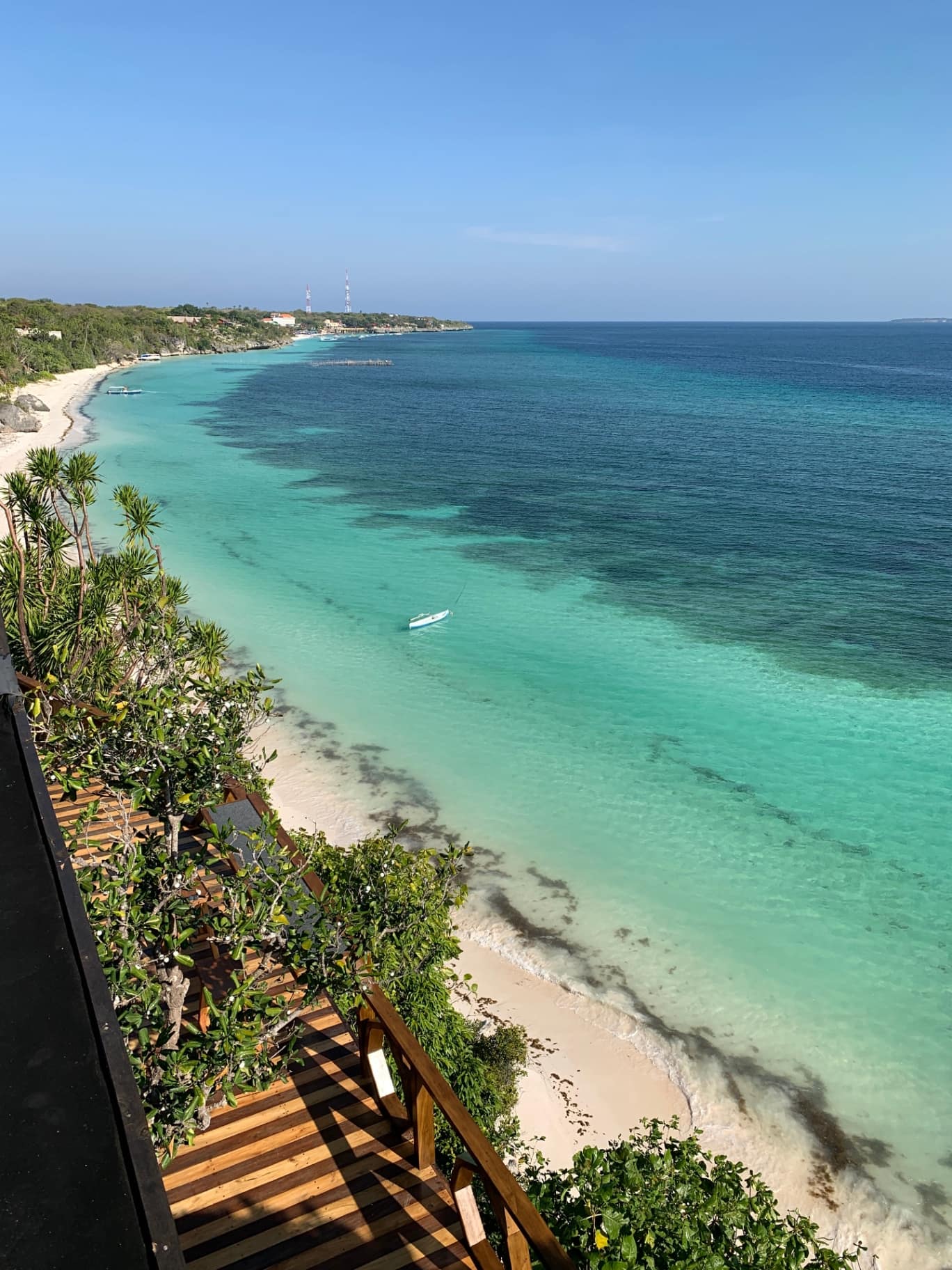
The bay at Bara Beach seen from the Seascapes Bira cliff, Tanjung Bira

Picking a Month

Pick Your Week

Tell us your dates and we will tell you what is left in the diary and what the weather here tends to do then. Course dates and whether a session runs are Sjenade's. We answer messages ourselves.