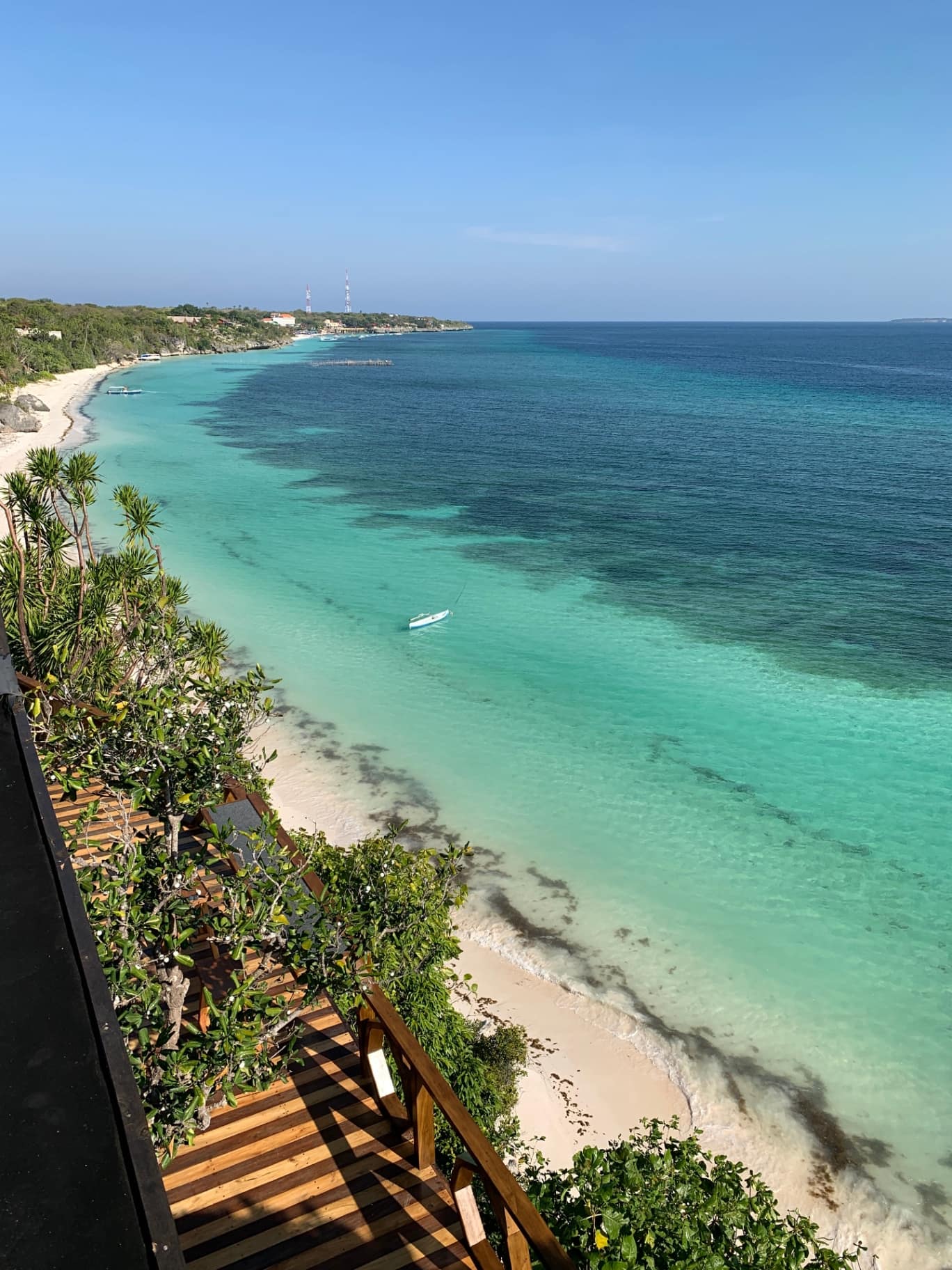
Turquoise shallows and the fringing reef off Bara Beach in Tanjung Bira, the beach below Seascapes Bira

Your First Course

Learning to Freedive

What a first freediving course involves, what it asks of you, and how to plan a trip around one. Written for people who have never done it.

Bara Beach, Tanjung Bira, Bulukumba, South Sulawesi

A first freediving course, at a glance

3 days

Level 1 course

2

Ocean sessions

15 m

Trains to

None

Experience needed

A first freediving course is shorter and more land-based than the sport looks from the outside. The Level 1 course taught by Freedive Sulawesi in Tanjung Bira runs over three days, includes two ocean sessions, and trains to 15 metres.

This page is written for the person who has watched a freediving video, thought about it for a year, and has no idea what actually happens on day one. It is not a syllabus — the syllabus belongs to the school, and the specifics of any course come from the instructor teaching it. It is a guide to the shape of the thing: what a course asks of a beginner, what it does not, what to sort out before travelling, and how the course days fit around a stay at Seascapes Bira.

The courses are taught by Freedive Sulawesi, an independent school led by instructor Sjenade Williams, which is based at Tevana House Reef. Seascapes Bira is where students sleep and eat, and guests walk over for their sessions. The freediving in Tanjung Bira page sets out how that arrangement works and covers the course levels in full.

Day One Onwards

What a first freediving course actually involves

Freedive Sulawesi describes its Level 1 course as three days for beginners covering breath-hold, equalization, safety, pool and open water, training to 15 metres. Those three days include two ocean sessions. That description is worth reading slowly, because most of it is not about depth.

Two of the named elements — breath-hold and equalisation — are things a person works on before ever going deep. One of them, safety, is about what a freediver does for someone else. Only the last pair, pool and open water, describes where the training happens. Read that way, the description is largely about technique and about looking after a partner, and depth is the shortest part of the list.

Two ocean sessions across three days is the only published guide to pacing, and how those days are arranged is the school's to set. It is worth asking, because arriving after the drive down here with a plan for eating and sleeping around the sessions matters more than it sounds.

What the school does not publish, and what this page will not guess at, is the hour-by-hour structure: which skills land on which day, how the pool time is arranged, and what a student is asked to demonstrate to finish. Those are the instructor's to describe, and Freedive Sulawesi answers them directly on WhatsApp before anyone commits to dates.

The Entry Bar

Do you need to be a strong swimmer?

It is worth answering with the school's own words rather than a paraphrase. Freedive Sulawesi states that no previous experience is needed, that the Level 1 course is designed for complete beginners, and that a student only needs to be reasonably comfortable in the water and able to swim.

That is a lower bar than the sport's image suggests. It is not a bar of athletic swimming, and it is not framed in laps or times. It is a bar of comfort — the difference between someone who can float, breathe and think in open water, and someone for whom being out of their depth is itself the problem.

If you sit somewhere in between, the useful move is to say so out loud when enquiring. A long time out of the water, a health condition, a bad experience, ears that have given trouble on a plane or on a scuba course: none of these are things to work out privately from a web page, and all of them are things an instructor would rather hear before day one than discover on the line. Whether a session runs, and how far it goes, is always the instructor's call.

The sheltered bay at Bara Beach seen from the cliff at Seascapes Bira, with the shallow reef visible offshore

Beyond Breath-Hold

Equalisation, and the thing beginners expect to be tested on

It is easy to arrive assuming a freediving course is a breath-holding contest you are about to lose. Breath-hold is the visible part of the sport, and it is the number people ask about afterwards.

Look at how the school describes its own courses, though, and breath-hold never appears alone. Level 1 covers breath-hold, equalization, safety, pool and open water. Level 2 covers theory, pool and open water with time on breath-hold, equalization and free-fall. Equalisation — the business of keeping the pressure in your ears and sinuses in step with the water around you — sits beside breath-hold at both levels, from the first day of the first course, and free-fall is the addition that comes later.

That is the honest signal to take from a course description, and it is as far as this page will go. Which of those elements turns out to be the limiting one for any particular person is exactly the sort of thing an instructor works out in the water with them, and exactly the sort of thing a hotel page has no business predicting. Ears vary, technique is teachable, and the answer for you is Sjenade's to give.

The practical takeaway is smaller and more useful than a theory: if your ears are the part you are worried about, that is not an embarrassing thing to mention when booking. It is the most useful thing you can mention.

Where a Beginner Starts

Level 1, and what comes after it

Course names, structure and certification belong to Freedive Sulawesi. What follows is the published shape of each level — enough to plan a trip around, not a substitute for asking the school.

Start here

Level 1 — the beginner course

Duration3 days
Ocean sessions2
Certified to15 metres

Three days, two ocean sessions, training to 15 metres. Designed for complete beginners, with no previous freediving experience needed.

Fifteen metres is a number that means little until you stand on a beach and look at it. It is deep enough that getting there and back on one breath is a taught skill rather than a matter of trying harder.

If the bug bites

Level 2 — the next step

Duration4 days
Ocean sessions3
Trains to24–30 metres

Four days with three ocean sessions, working towards a depth of between 24 and 30 metres. Freedive Sulawesi describes it as theory, pool and open water with time on breath-hold, equalization and free-fall.

Level 1 is required before Level 2. Whether a certification held from somewhere else counts instead is the school's call, so say what you already hold when enquiring — and ask Freedive Sulawesi about booking both levels on one trip rather than assuming from this page.

On prices and certification: course prices are published by Freedive Sulawesi rather than here, so any figure on this page would only go stale. Which certification a course carries is the school's to state in its own words — ask Sjenade directly before booking, and take the answer from her. There is also an eight-day programme called Freediving for the Reef, which combines freediving with coral restoration; Freedive Sulawesi is the place to ask what eight days of it involves.

Never Alone

Safety, and why freediving is a two-person activity

Safety is one of the things Freedive Sulawesi names in its Level 1 course description, listed alongside breath-hold and equalisation rather than after them. It is part of a beginner course here, in other words, not an extra.

The structure of what the school offers reflects the same thing. Course sessions are run by an instructor. The half-day recreational freedives, for people who would rather be in the water than on a course, are open to any level and run with a minimum of two people — so a solo traveller needs either a buddy on the same dates or some flexibility about when to go. It is worth asking about early, because pairing people up is much easier with notice than on the morning.

What a student is actually taught to do — how to watch a partner, what to look for, what to do about it — comes from the instructor in the water. It is not something to read up on beforehand and arrive believing you already know, and this page deliberately does not summarise it.

One more piece of planning, if a trip includes both sports: doing scuba and freediving in the same week is common here and entirely normal. Let the instructor and the dive guide plan that between them rather than fitting it around a booking. The diving page covers the scuba side.

Packing

What to bring to a first course

Short list, and one important question to ask before you pack.

Sun, more than cold

Water at Bara Beach sits at approximately 28 to 29 degrees Celsius year round, so thermal protection is a question of how long a session lasts and how still you stay, not of the month. The sun on the surface is the more reliable problem: a rash guard, or reef-safe sunscreen.

Ask about equipment

Which equipment Freedive Sulawesi provides, and which a student is expected to bring or would rather own, is a question for the school. Ask it before travelling rather than on the first morning, so there is time to bring anything the answer turns out to need.

Cash and small notes

The gate onto the peninsula collects a Bulukumba Regency levy in cash: approximately IDR 30,000 per person, plus around IDR 20,000 per car or IDR 5,000 per motorbike. Carry small notes. Full detail on the location and directions page.

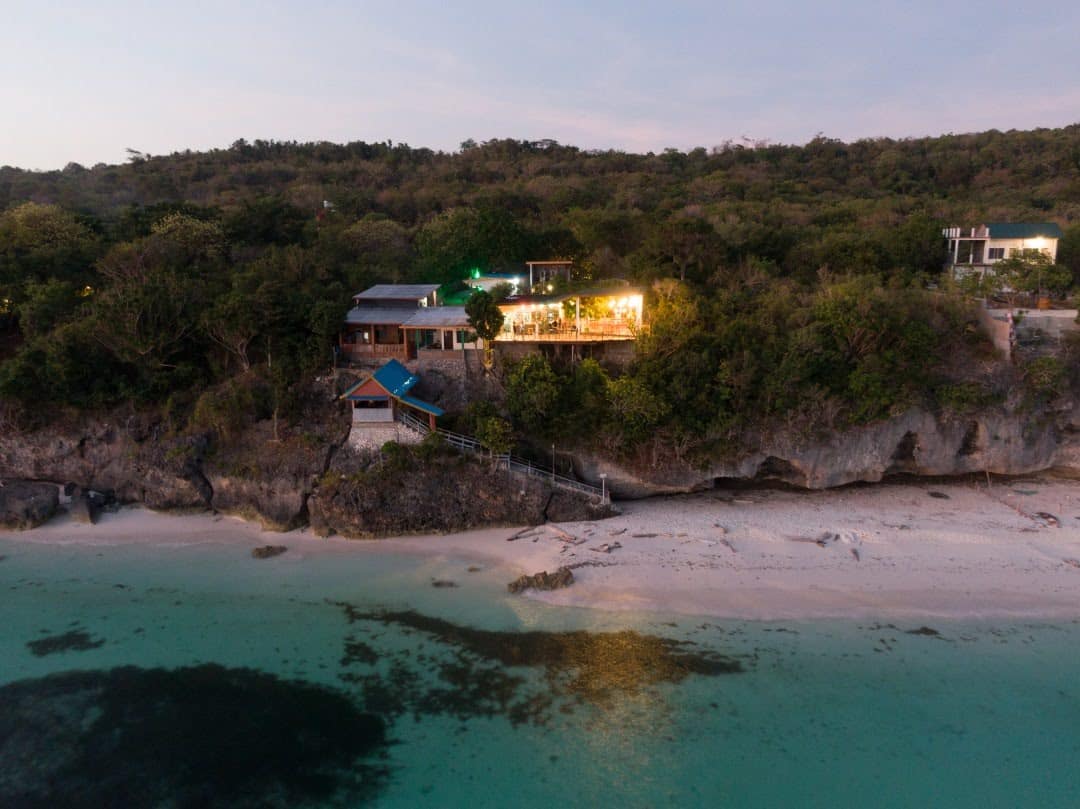
Seascapes Bira in evening light on the cliff above Bara Beach, where freediving students stay while taking a course

The Arrangement

Where you stay, and where you train

A course week here has two addresses, and it is worth knowing that before booking. Freedive Sulawesi is based at Tevana House Reef, and that is where a session meets; guests staying at Seascapes Bira walk over. How a given morning is timed is a question for Sjenade, because the meeting point and the schedule are the school's to set.

Seascapes Bira is the sleeping and eating half, which on a course day is not a small thing. The restaurant opens at 7am, so breakfast comes before an early session rather than after it, and it runs to 9pm daily and until 10pm on Tuesdays and Saturdays, which covers the afternoons that overrun.

Sjenade describes the water she teaches in as dropping off at 17 metres and going on to deep blue beyond it, with a current always present to some degree, varying with the full and new moon and with the tide, and visibility of 20 to 40 metres at the sites she uses. Those are her site's numbers rather than a description of the shallows in front of Seascapes, and reading them on the day is hers too — whether a session runs is always the instructor's call.

The water directly below the property is a separate and simpler thing. Bara Beach is a sheltered west-facing cove with a shallow fringing reef within swimming distance of the sand: that is the hotel's own water, and it is for swimming and snorkelling on the hours a course does not use. It sits at approximately 28 to 29 degrees Celsius year round, like the rest of the water here.

When in the year to come is covered on the best time to freedive in Bira page.

Planning It

Booking a first course in Bira

Two separate conversations, and it helps to know that before starting either. Seascapes Bira does not run the course or take course bookings — dates, level, add-ons, prices and certification all come from the school. The room and the food are booked with Seascapes Bira. The two ends coordinate.

Two calendars matter as well. Freedive Sulawesi operates from March to December, so January and February sit outside the school's season entirely. Sjenade teaches in English, Bahasa Indonesia and Dutch, which is worth knowing if the language a course runs in is a factor.

On trip length, the arithmetic is worth doing before booking flights. A three-day Level 1 course does not fit into a three-day trip. Tanjung Bira is 5 to 6 hours by private car from Makassar, with no airport, train or ferry running direct, so a day disappears at each end. Four or five nights is the comfortable minimum for Level 1; Level 2 at four days wants a little more room; the eight-day Freediving for the Reef programme needs more room again.

Build in a spare day if the dates allow. Not because the sea is unreliable — Bira's dry season runs April to November and brings the calmest seas of the year, which is a sea-state pattern rather than a visibility one — but because a course with a day of slack in it is a better course. There is somewhere to be on a day off: Bara Beach, the peninsula, and the rest of Tanjung Bira.

Rooms are on the stay page. The property is small, so course-block dates are worth confirming early. The restaurant is open 7am to 9pm daily and until 10pm on Tuesdays and Saturdays, which on a training day mostly matters at the breakfast end.
Common Questions

Learning to freedive, frequently asked

Do you need to be a strong swimmer to learn freediving?

Freedive Sulawesi states that its Level 1 course is designed for complete beginners and that a student needs only to be reasonably comfortable in the water and able to swim. No previous freediving experience is required. Anyone weighing up a specific worry — a health condition, a long time out of the water, or ears that have given trouble before — should raise it with the school when booking rather than work it out from a web page, because whether a session goes ahead is always the instructor's call.

What does a first freediving course actually involve?

Freedive Sulawesi describes its Level 1 course as three days for beginners covering breath-hold, equalization, safety, pool and open water, training to 15 metres. The three days include two ocean sessions. Those ocean sessions happen with Freedive Sulawesi at Tevana House Reef, which is where the school is based and where a session meets; guests staying at Seascapes Bira walk over. The detail of how a given course is structured day by day is the school's to set.

What does a freediving course cover besides holding your breath?

A first freediving course covers more than breath-holding. Freedive Sulawesi lists breath-hold, equalization and safety together in its Level 1 course description, alongside pool and open water sessions, and Level 2 adds free-fall to that list. Equalisation therefore sits beside breath-hold from the first day rather than being treated as an afterthought. How those elements apply to any individual student is a conversation with the instructor, not something a general guide can settle in advance.

How long does it take to learn to freedive?

Level 1 with Freedive Sulawesi runs over three days and includes two ocean sessions, training to 15 metres. Level 2 runs over four days with three ocean sessions and trains to between 24 and 30 metres. Freedive Sulawesi also runs an eight-day programme called Freediving for the Reef, which combines freediving with coral restoration. Because Tanjung Bira is 5 to 6 hours by private car from Makassar, a three-day course sits most comfortably inside a trip of four or five nights rather than exactly three.

Can you freedive on your own as a beginner?

Course sessions are run by an instructor from Freedive Sulawesi, and the school's half-day recreational freedives are open to any level and run with a minimum of two people. A solo traveller who wants those half-day sessions therefore needs either a buddy on the same dates or some flexibility about when to go, which is worth raising with the school early. Safety is listed as part of the Level 1 course by Freedive Sulawesi, and what a student is taught to do in the water comes from the instructor rather than from reading about it beforehand.

What should you bring to a freediving course in Tanjung Bira?

Water temperature at Bara Beach sits at approximately 28 to 29 degrees Celsius year round, so thermal protection is a comfort decision about how long a session lasts rather than a necessity. Sun on the surface is the more common problem: a rash guard or reef-safe sunscreen is worth packing. Which equipment Freedive Sulawesi provides and which a student is expected to bring is a question for the school, and it is better asked before travelling than on the morning of a first session.

Where do the freediving sessions actually happen?

Sessions happen with Freedive Sulawesi at Tevana House Reef, which is where the school is based and where a session meets. Guests staying at Seascapes Bira walk over. Sjenade Williams describes the water she teaches in as dropping off at 17 metres and going on to deep blue beyond it, with a current always present to some degree, varying with the full and new moon and with the tide; visibility at the sites she uses runs 20 to 40 metres. Those are her site's numbers rather than a description of the shallows in front of Seascapes. The meeting point, the schedule and the choice of site come from the school, so that is where to ask what a given day looks like.

Course structure and depths on this page are as published by Freedive Sulawesi; the Level 2 prerequisite, the languages taught, the operating season and the reef figures come from instructor Sjenade Williams directly. Prices, certification detail and availability come from the school. Regency fees are set by third parties and are approximate for 2026. Conditions vary with wind, tide and weather, and whether a session runs is always the instructor's decision.

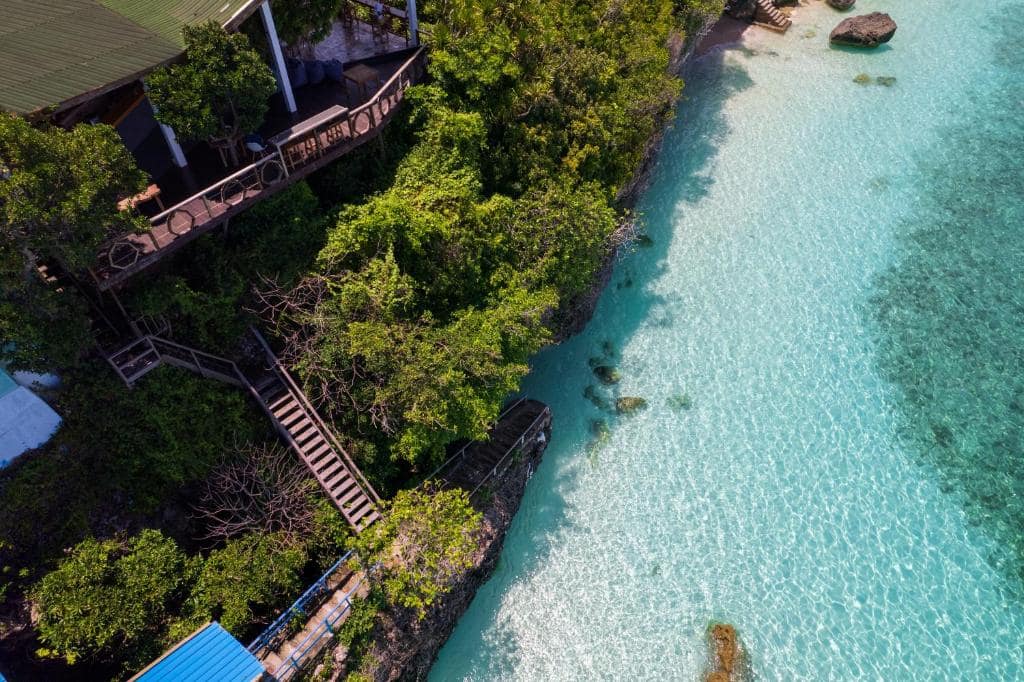
The bay at Bara Beach seen from the Seascapes Bira cliff, Tanjung Bira

Rooms on Bara Beach

Your First Breath-Hold

The course is Sjenade's; the room and the food are ours. Ask us anything about the beach, the season or the drive down — we answer messages ourselves.