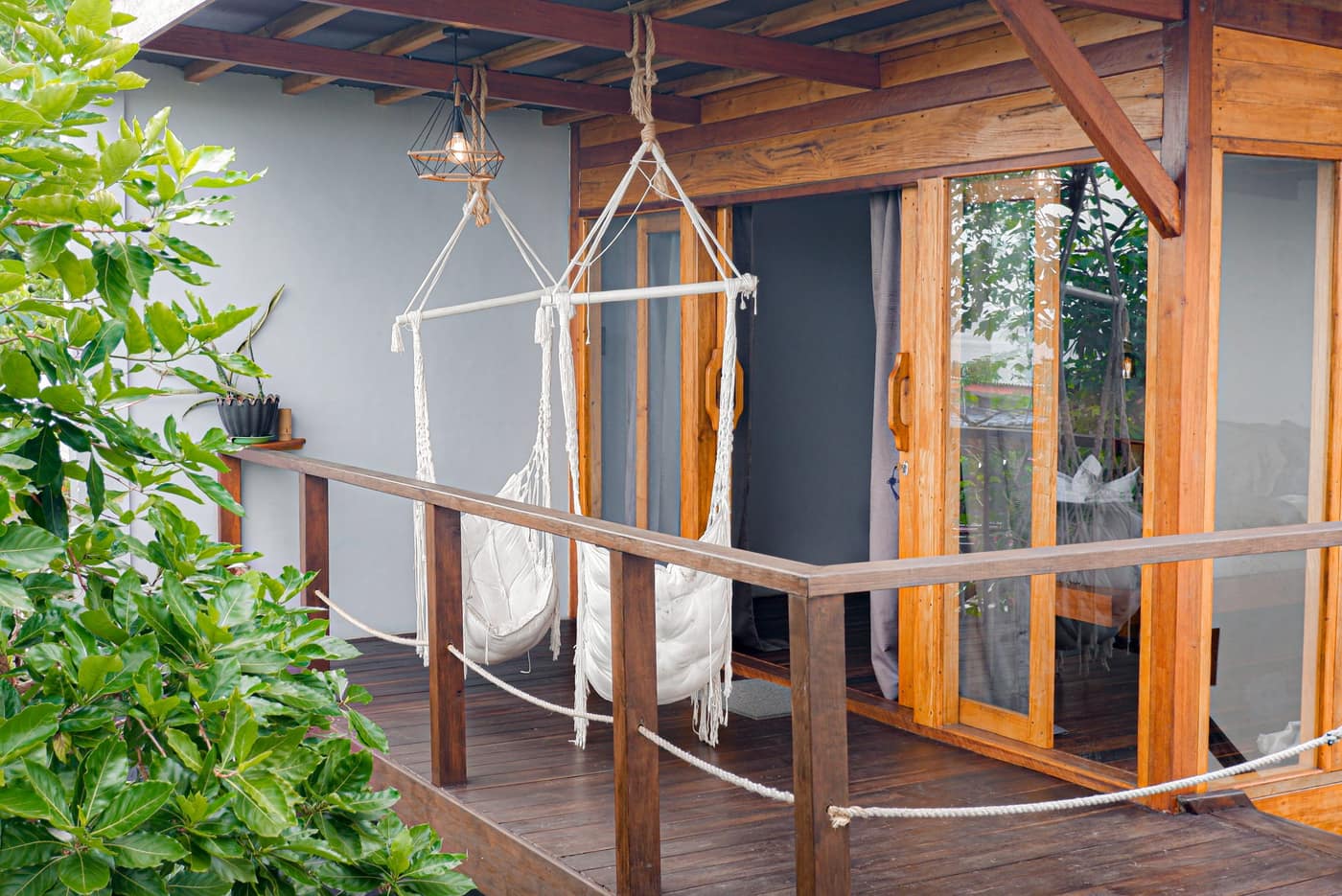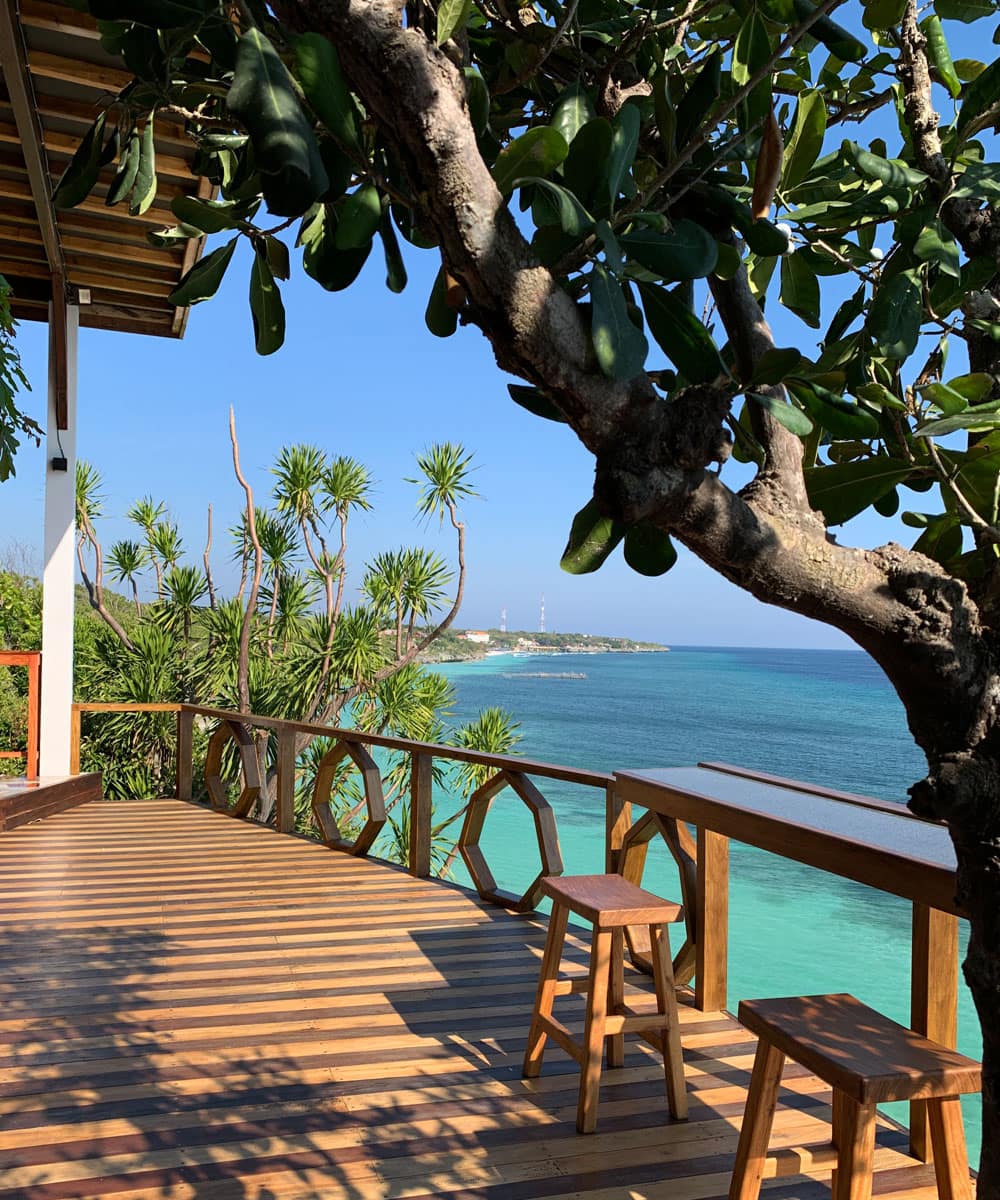
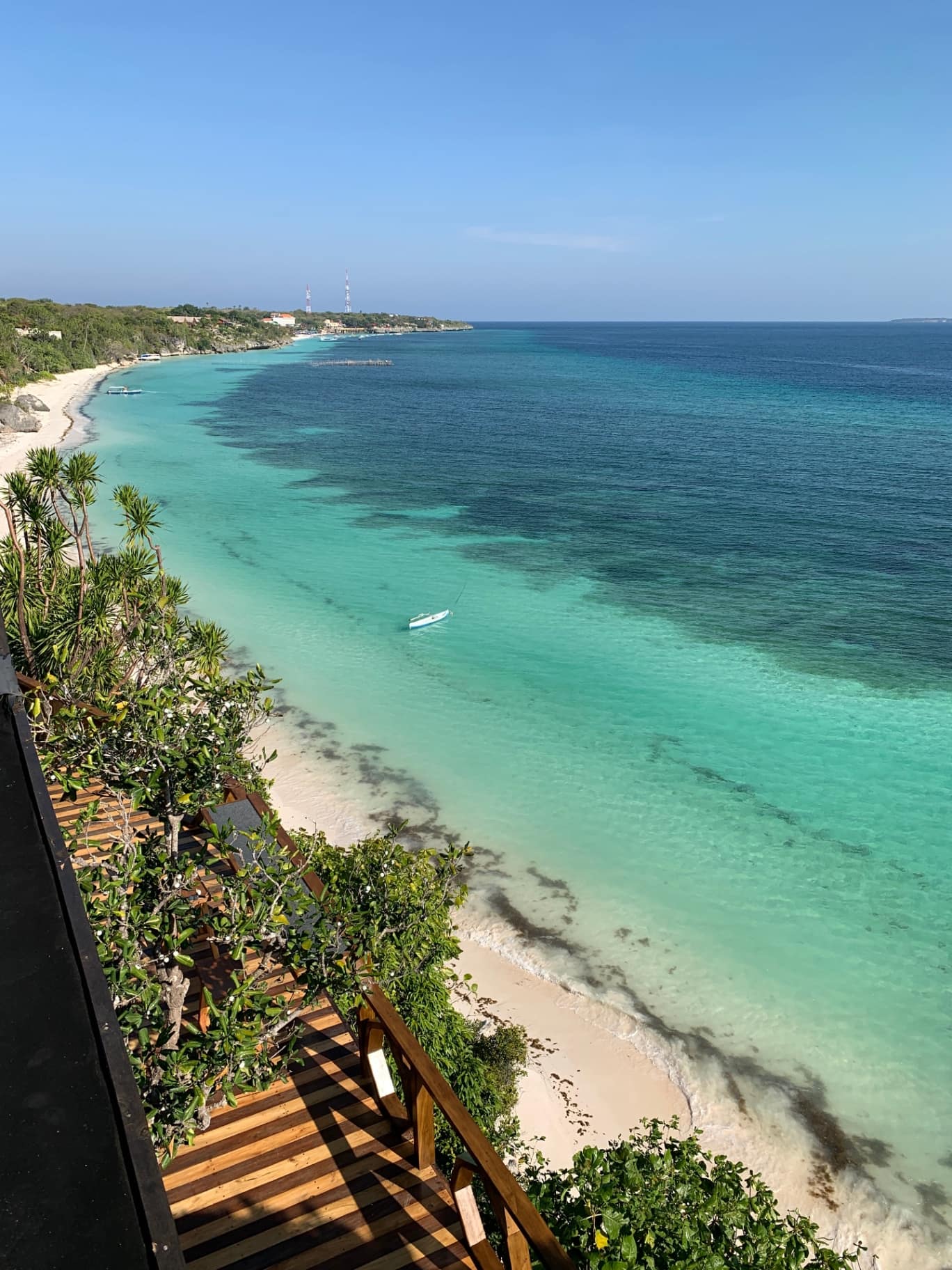
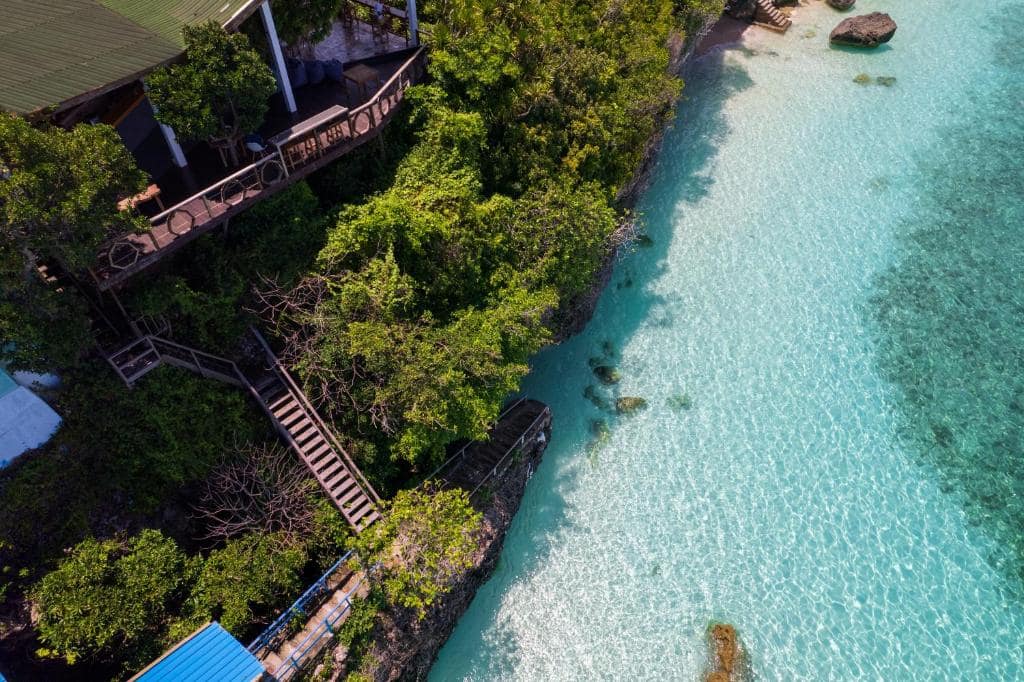
The Celebes Sea seen from the Seascapes Bira cliffside on Bara Beach, Tanjung Bira

Scuba Diving

Scuba Diving
in Tanjung Bira

Where the Celebes Sea meets the Flores Sea — 15+ dive sites, extraordinary marine life, and a fraction of the crowds you'll find elsewhere in Indonesia.

Ask About Dive Trips

Year-round diving · Best visibility April–November · 15+ dive sites

The Destination

Why Dive in Tanjung Bira?

Tanjung Bira sits on the southern tip of South Sulawesi, at the meeting point of two of the world's richest seas. The result is a marine ecosystem that rivals any dive destination in Southeast Asia — with a fraction of the visitors. You won't find dive boats queuing at entry points or twenty divers jostling for the same nudibranch. This is diving at its quietest.

Practically, that quiet has a shape: small boats, short crossings, and dive guides who know the reefs by season rather than by schedule. Most sites sit within forty minutes of Bara Beach, so a morning trip means two dives and back for a late breakfast. Between dives there is nothing to do but sit on white sand and watch the pinisi boats — Bira has built wooden schooners for centuries — cross the channel toward Selayar.

Location

Where Two Seas Meet

At the confluence of the Celebes and Flores Seas — nutrient-rich currents feed extraordinary biodiversity above and below the surface, and pull pelagic species in close to the reef edge.

Sites

15+ Dive Sites

More than fifteen named dive sites within roughly forty minutes by boat. Shallow coral gardens for beginners, deep walls for advanced divers, and current-swept channels for the experienced.

Visibility

Up to 30 Metres

Visibility regularly reaches 20–30 metres during peak season (April–November), making it ideal for underwater photography and wide-angle reef shots.

Crowds

Far Fewer Divers

Tanjung Bira remains one of Indonesia's best-kept diving secrets — a fraction of the visitor numbers of Raja Ampat, Komodo, or Bunaken, and no liveaboard traffic competing for sites.

Season

Year-Round Diving

Diveable every month of the year. Peak conditions April–November. The wet season brings more swell but also more pelagic movement along the drop-offs.

Species

Macro & Big Life

The same seas that hold pygmy seahorse and ghost pipefish at depth also see reef shark, eagle ray and schooling barracuda. Both worlds within a single trip.

Where to Dive

Dive Sites Near Tanjung Bira

Boats leave from Bara Beach, directly below the resort. The three sites below are the ones most trips are built around — a sheltered house reef you can walk to, an island reef and wall twenty to thirty minutes out, and the deep-water channel toward Selayar for divers with current experience. Your guide will pick the order on the morning, reading tide and wind.

Aerial view of Seascapes Bira and the coastline at Bara Beach — boats to Liukang Loe Island depart from the beach below
All levels 20–30 min

Featured Site

Liukang Loe Island

The flagship dive destination from Bira, roughly twenty to thirty minutes by boat across the channel. A small island ringed by an extensive fringing reef: the shallow side runs 5–12 metres over hard-coral gardens and sand patches, then the reef edge tips over into a sloping wall that drops past 30 metres. Current is usually gentle on the lee side and picks up around the points, which is exactly where the fish gather. Green turtles are near-certain, whitetip reef sharks patrol the deeper sand, and schools of snapper and fusilier stack up along the drop-off. Several distinct entry points mean you can dive it repeatedly without repeating yourself.

Reef sharks Turtles Wall dive
Seascapes Bira resort cliffside above the Celebes Sea — dive and snorkel trips depart from Bara Beach below
Beginner Walk in

House Reef

Pantai Bara House Reef

The reef directly off Bara Beach, reachable without a boat. Sand gives way to coral bommies within a short swim, and the reef slopes gently from about 5 metres to a maximum of roughly 18. Current is usually negligible, which makes it the natural choice for a first dive, a refresher after years out of the water, or a slow macro hunt with a camera. This is where the small things live: nudibranchs in numbers, ghost pipefish tucked into soft coral, frogfish if your guide has been paying attention, plus the usual cast of anemonefish, wrasse and juvenile reef fish. It doubles as the best shore snorkel in walking distance.

Nudibranch Macro life Snorkelling
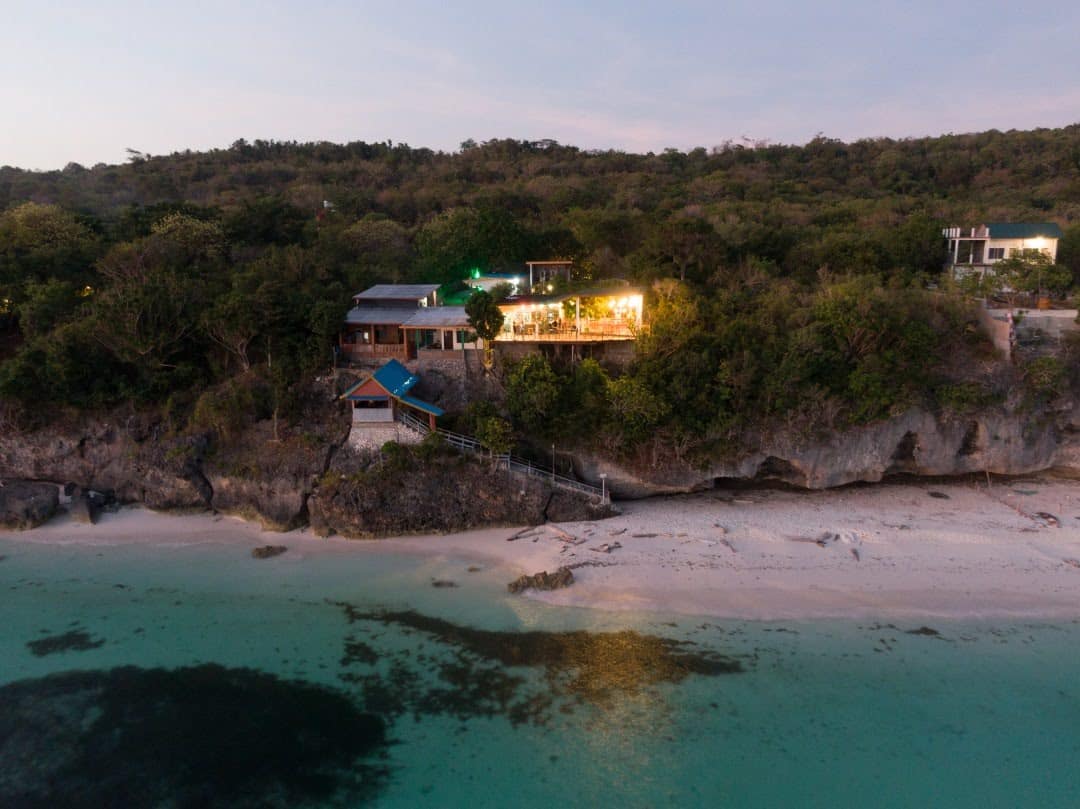
Seascapes Bira resort at dusk — where divers return after a day on the Celebes Sea
Advanced 40 min

Advanced Drift

Selayar Channel

The deep water between the Bira peninsula and Selayar Island, and the reason experienced divers make the trip south. Tidal flow funnels through the channel and can run hard, so these are negative-entry drift dives on a live boat, typically in the 18–30 metre range with a blue-water safety stop. An SMB and comfort with current are non-negotiable, and the site is dived only when tide and weather line up. In exchange: eagle rays over the sand, big grouper holding station in the lee of the wall, trevally and barracuda hunting in the flow, and manta rays seasonally where the current meets the drop-off. Advanced certification and recent logged dives expected.

Seasonal mantas Drift diving Pelagic

How It Works

Dive Trips & Courses

Seascapes is a place to stay, eat and come back to — we don't run the dive operation ourselves. Trips, equipment and training are arranged with our trusted SSI-certified local dive partner, whose guides have been working these reefs for years and know which site will be best on a given tide. We handle the introduction, the timings and the logistics from the resort; they handle everything in the water.

That covers the full range. Certified divers can join two-tank morning boat trips, or dive the house reef with a guide at short notice. Divers who have never been under can do a supervised introductory dive in the shallows off Bara Beach. Anyone wanting a full certification — or the next rating up — can take an SSI course with the partner's instructors, who teach in English and Indonesian, with the confined-water sessions run in the calm water directly in front of the resort.

Because it's a small operation rather than a booking platform, availability is worth checking before you travel, particularly for courses and for June through August. Send us your dates on WhatsApp and we'll confirm what's possible before you commit to flights.

Check Dive Availability

WhatsApp +62 858 4952 2158

No Tank Required

Snorkeling in Tanjung Bira

You do not need a certification to see the best of this reef. Most of Bira's coral colour and reef-fish density sits in the top five metres, which is snorkelling depth — so a mask and fins get you a genuinely good day, not a consolation prize.

Start with the house reef. From Bara Beach you can swim out over sand and reach live coral within a few minutes, in water that is usually flat and clear in the morning before the afternoon breeze picks up. Turtles graze the shallows here often enough that guests stop announcing them. It costs nothing but the walk down, and it's the easiest way to fill an hour between breakfast and lunch.

For a bigger day, the reef flats around Liukang Loe Island are the standout. The same fringing reef that divers descend along has long shallow shelves on top — hard coral, anemone fields and clouds of fusilier in three to eight metres of water, with the drop-off visible below you as a blue edge. Boats run there in twenty to thirty minutes from Bara Beach, and snorkellers can share a trip with divers: the boat drops the dive group at the wall and the snorkellers stay over the shallows, everyone surfacing at the same time.

Bring reef-safe sunscreen or, better, a rash guard — the sun on the surface is stronger than it feels in the water. A wetsuit isn't necessary at 27–30°C. If you are snorkelling from a boat, your guide will keep you clear of the channel edges, where current runs faster than it looks from the surface.

Species Guide

Marine Life of the Celebes Sea

Bira has a reputation among Indonesian divers for shark encounters — whitetip and blacktip reef sharks are a regular sight rather than a lucky one, cruising the sand flats and reef edges around Liukang Loe. Green turtles are close to a given on any island dive. Eagle rays and larger pelagics show up where current runs, and manta rays appear seasonally in the deeper channel water rather than on a fixed schedule, so treat them as a bonus, not a booking reason.

The macro side is quieter and, for a lot of divers, the reason they extend their stay. Pygmy seahorse on sea fans between roughly 15 and 30 metres, ghost pipefish holding still against soft coral, well over a hundred nudibranch species recorded across the region, mantis shrimp, and octopus on the sandy patches. It rewards a slow dive and a guide who knows the reef metre by metre.

Green Turtle

Common resident

Whitetip Shark

Sandy bottom

Blacktip Shark

Reef edge, shallow

Manta Ray

Seasonal, channel

Eagle Ray

Sandy channels

Pygmy Seahorse

15–30m on seafan

Ghost Pipefish

Reef camouflage

Nudibranch

100+ species

Barracuda

Schooling open water

Giant Trevally

Hunting in current

Mantis Shrimp

Sand and rubble

Reef Octopus

Dusk on the reef

Aerial view of Seascapes Bira and the turquoise Celebes Sea at Bara Beach, Tanjung Bira

Seasonal Guide

Best Time to Dive

April – November

Peak season. Visibility commonly 20–30 metres, calmest seas, water at 28–30°C. Mornings are typically glassy and afternoons pick up a breeze, so boats leave early. June to August is the busiest window — book well ahead.

December – March

The wetter months. More swell and occasional rain, and coastal visibility can drop after a downpour — but diving continues all season, and offshore sites usually stay clear. Fewer divers, more pelagic movement along the drop-offs.

Any month

Bira is diveable year-round. Conditions are read day by day rather than by the calendar — if one site is blown out, another is sheltered.

Water temperature 27–30°C year-round · 3mm wetsuit sufficient

Ready to plan your dive trip? Tell us your dates and certification level, and we'll match you to the right sites and check availability with our dive partner before you book flights.

Plan Your Dive Trip

+62 858 4952 2158 · We match you to the right sites

Common Questions

Diving FAQ

Do I need to be certified to dive in Bira?

For a standard fun dive, yes — a valid Open Water certification from any recognised agency is the usual requirement. If you have never dived before, an introductory try-dive under direct supervision of an instructor is available through our dive partner, and Bara Beach's sheltered water is a forgiving place to do it. Bring your certification card and, if you have one, your logbook.

Can I learn to dive in Tanjung Bira?

Yes. We do not run courses ourselves — we arrange them with our trusted SSI-certified local dive partner, whose instructors teach in English and Indonesian. The calm, shallow water directly off Bara Beach works well for confined-water skills, and the open-water dives are done at nearby reef sites. Message us on WhatsApp with your dates and we will check instructor availability.

What is the visibility like in Bira?

Between April and November visibility commonly runs 20–30 metres, and offshore sites can be clearer still on a calm day. From December to March visibility near the coast can drop after heavy rain or swell, but the deeper offshore sites usually stay good. Bira is diveable every month of the year.

Are there dive sites suitable for beginners?

Yes. The Pantai Bara house reef is shallow, sheltered and typically has little current, which makes it a good first dive or refresher after a long break. Liukang Loe has shallow coral-garden sections that newly certified divers handle comfortably. The strong-current drift sites toward Selayar are kept for experienced divers only.

Can I snorkel instead of diving?

Yes. The reef off Bara Beach is reachable by swimming from shore, and the shallow reef flats around Liukang Loe Island are among the better snorkelling spots in the area — most of the coral and reef fish sit in the top few metres. Snorkelling trips can be arranged alongside a dive boat, so mixed groups of divers and non-divers can go out together.

How many dives should I plan for a trip to Bira?

Three to four days of diving lets you see the range — the house reef, the reefs and wall around Liukang Loe, and, if conditions and your certification allow, a drift dive toward the Selayar side. Most boat trips run two dives in a morning, so a three-night stay comfortably covers six dives with time left for the beach.

Base Yourself Here

Stay & Dive

The shortest distance between a bed and a reef in Tanjung Bira. Seascapes sits on the cliffside directly above Bara Beach, so the house reef is a walk down rather than a drive, and dive boats leave from the sand below. Rooms look out over the water you'll be diving, and the kitchen is used to divers' hours — early breakfast before a boat, a proper lunch after.

Tell us your dates and certification level when you enquire and we'll line the diving up with your stay before you arrive.